Could a simple accessory significantly transform your home’s comfort and efficiency? For homeowners with wood burners or multi-fuel stoves, chimney cowls might just be the overlooked heroes. These vital additions do more than adorn your chimney top; they combat downdrafts, enhance draft control, and block unruly rain from infiltrating your safe haven. As you delve deeper, discover how the right choice of chimney cowl can elevate your home’s comfort, ward off cold draughts and maintain the aesthetic and safety standards you strive for daily.
Understanding the Importance of Chimney Cowls
Chimney cowls play a crucial role in enhancing the performance of wood burners and multi-fuel stoves. By sitting atop the chimney, these devices act as a protective barrier against external elements while facilitating effective air flow. Their primary function is to prevent downdrafts, which can cause smoke to enter the living space. Without a cowl, the chimney is vulnerable to inefficiencies brought about by adverse weather conditions, potentially leading to poor stove performance and increased heating costs.
A high-quality anti-downdraught cowl is instrumental in maintaining a consistent draw within the chimney system. By mitigating downdrafts, these cowls support the natural upward flow of smoke and gases, thereby ensuring that the stove operates efficiently. This not only prevents cold air from being pushed back into the home but also optimises the combustion process, leading to better fuel efficiency. The improved draft control afforded by chimney cowls is vital for maintaining the stove’s performance, reducing the risk of smoke-related issues and enhancing overall safety.
Beyond draft control, chimney cowls provide additional benefits that significantly enhance home comfort. One such advantage is their ability to prevent rain from entering the chimney, which can cause rust and damage to stoves or wood burners. Moreover, by keeping out moisture, cowls help maintain the structural integrity of the chimney, reducing the need for frequent repairs. These benefits, combined with the improved thermal efficiency, make chimney cowls an indispensable addition to any chimney system, ensuring a more comfortable and weather-proof home environment.
Exploring Types of Chimney Cowls
Selecting the appropriate chimney cowl is essential for enhancing chimney efficiency and ensuring optimal stove performance. The right cowl can prevent downdrafts, block rain, and even deter wildlife from nesting.
Understanding the different types of cowls available allows homeowners to make informed decisions that best suit their specific chimney requirements.
Spinning Chimney Cowls
Spinning chimney cowls are designed to improve draft by utilising wind energy. The spinning mechanism helps to pull smoke up the chimney by creating a vacuum effect, which is particularly effective in areas with variable wind conditions. These cowls are ideal for chimneys that experience frequent downdrafts, as they actively enhance the natural draw, ensuring that smoke and gases are efficiently expelled from the home. By optimising the draft, spinning cowls contribute to better combustion and increased energy efficiency.
Directional Wind Cowls
Directional wind cowls are engineered to respond to wind direction, thereby preventing downdrafts that can disrupt stove performance. They feature a vane that aligns with the wind, allowing the cowl to deflect gusts that would otherwise push air back down the chimney. This type of cowl is particularly beneficial in exposed locations where wind-induced downdrafts are common. By maintaining the upward flow of smoke and gases, directional wind cowls ensure consistent stove operation and reduce the likelihood of smoke entering living spaces.
Bird Guard Cowls
Bird guard cowls are crucial for preventing birds from nesting in chimneys, which can lead to blockages and pose significant safety risks. These cowls are equipped with mesh or grille designs that allow smoke to escape while keeping birds and debris out. Installing a bird guard cowl is particularly important in rural or wooded areas where birds are likely to seek shelter in chimneys. By preventing obstructions, bird guard cowls help maintain chimney functionality and reduce the need for costly cleanings and repairs.
Choosing the correct cowl type ensures that a chimney system operates efficiently and safely. Whether addressing downdrafts, wind interference, or wildlife prevention, the right cowl can significantly enhance comfort and protect against weather-related damage.
Key Benefits of Using Chimney Cowls
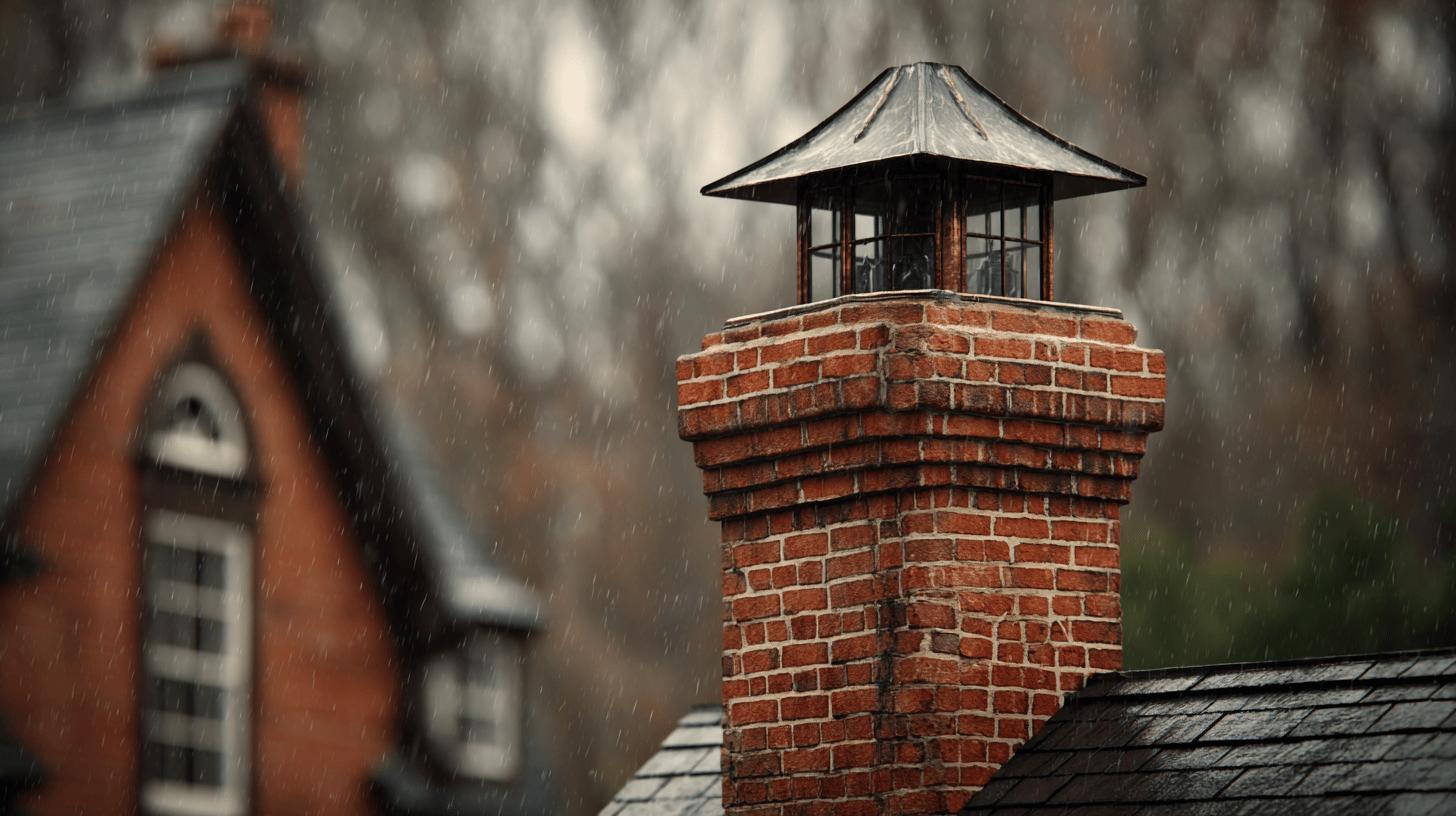
Chimney cowls are essential for enhancing both the functionality and safety of chimney systems. By preventing downdrafts, cowls ensure that smoke and gases are efficiently expelled, reducing the risk of smoke entering living spaces. This not only prevents unpleasant odours but also minimises potential carbon monoxide exposure, thus safeguarding household health. Additionally, cowls enhance the chimney’s draft efficiency, optimising stove performance and fuel consumption. By maintaining a consistent draw, they contribute to a more efficient heating system, ultimately leading to reduced energy costs.
Protection against weather elements is another significant advantage of chimney cowls. Rain guards, a feature of many cowls, are especially crucial as they prevent rainwater from entering the chimney. This is vital for preventing rust and corrosion, which can damage stoves or wood burners over time. By blocking moisture, cowls help preserve the structural integrity of the chimney, reducing maintenance needs and prolonging the lifespan of heating appliances. Furthermore, by shielding against harsh weather conditions, chimney cowls contribute to a more comfortable and weather-resistant home environment.
- Prevents rain entry, protecting stoves from rust
- Reduces smoke intrusion, improving indoor air quality
- Enhances draft efficiency, optimising heating performance
- Blocks downdrafts, ensuring consistent stove operation
- Minimises maintenance by preserving chimney structure
Installation Tips for Chimney Cowls
Installing a chimney cowl is a straightforward process that can be completed with minimal tools and expertise. Most cowls, such as pot hanging cowls, can be fitted without needing to remove the chimney pot, using three straps to secure them firmly in place. Typically, a chimney cowl installation takes between one and two hours, provided there are no significant issues with the chimney structure.
- Gather necessary tools and equipment: Ensure you have the cowl, ladder, safety gear, and securing straps.
- Position the ladder safely: Place the ladder on stable ground, ensuring it reaches the chimney comfortably.
- Fit the cowl onto the chimney pot: Place the cowl over the chimney pot, aligning it correctly.
- Secure the cowl with straps: Use the straps to fasten the cowl securely, ensuring it is stable and won’t move in the wind.
- Check the stability: Once installed, verify that the cowl is firmly in place and not prone to shifting.
DIY Installation Tips
For those opting to install a chimney cowl themselves, following safety precautions is paramount. Always ensure the ladder is stable and that you’re using appropriate safety gear, such as a harness or helmet. It’s advisable to have someone assist you by holding the ladder or passing tools as needed. Before beginning, carefully read the manufacturer’s instructions to understand the specific requirements for your cowl model. Regularly check the cowl’s stability during the installation process to prevent any post-installation issues.
When to Hire a Professional
Professional installation is recommended in several scenarios. If the chimney is particularly high or difficult to access, engaging a professional ensures safety and proper installation. Additionally, if you’re unsure about the type of cowl suitable for your chimney or if there are existing structural issues, a professional can provide valuable advice and expertise. Hiring an expert can also be beneficial if time constraints are a factor, as professionals are equipped to complete the installation efficiently.
Common installation mistakes include insufficiently securing the cowl, which can lead to it dislodging in adverse weather, and not checking for existing chimney damage before installation. It’s crucial to address any structural weaknesses beforehand to ensure a successful and long-lasting installation.
Maintenance and Longevity of Chimney Cowls
Regular maintenance of chimney cowls is crucial for ensuring their long-term functionality and effectiveness. Why is regular maintenance important? It prevents issues such as blockages, corrosion, and wear, which can compromise the cowl’s ability to enhance draft and block rain. By performing routine checks and cleaning, homeowners can avoid costly repairs and extend the life of their cowls. Investing in a high-quality cowl may be more expensive initially, but it offers better durability and long-term benefits, making maintenance a worthwhile endeavour.
To extend the life of chimney cowls, periodic inspections and cleaning are recommended. How can one effectively maintain a chimney cowl? Regularly remove debris and soot build-up, as these can impede the cowl’s performance. Ensuring that all components are securely fastened also helps in maintaining stability and effectiveness. In areas prone to harsh weather, checking for damage after storms can prevent further deterioration. Reapplying protective coatings to metal surfaces can reduce the risk of rust, thus enhancing the cowl’s longevity.
| Maintenance Task | Frequency |
|---|---|
| Inspect for Debris and Blockages | Monthly |
| Clean Soot and Residue | Quarterly |
| Check for Structural Damage | After Storms |
| Reapply Protective Coating | Annually |
Final Words
Choosing the right chimney cowl significantly improves draft control and keeps rain out, enhancing the efficiency of wood burners and multi-fuel stoves.
With a variety of types available, selecting a suitable cowl tailored to specific needs ensures optimal performance and protection against elements.
Installation can be straightforward, but considering professional assistance ensures reliable outcomes.
Consistent maintenance not only extends the lifespan of chimney cowls but also safeguards their functionality for the future.
Investing in quality chimney cowls remains a wise decision for maintaining a safe and efficient home environment.
How To Spot If You Need Chimney Repointing
Secure your chimney today → Chimney Repairs
FAQ
Q: Do chimney cowls stop rain from entering the chimney?
A: Chimney cowls effectively prevent rain water from entering chimneys by providing a protective barrier. This prevents potential rust damage and contributes to the longevity of stoves or wood burners.
Q: Do chimney cowls stop drafts?
A: Chimney cowls are designed to significantly reduce drafts by preventing downdrafts. This helps enhance home comfort by stopping cold air ingress and improving energy efficiency.
Q: How do I stop rain water from coming down my chimney?
A: Installing a rain guard or a high-quality chimney cowl is an effective way to stop rain water from entering your chimney, protecting it from rust and weather-related damage.
Q: Does a chimney cowl improve chimney draw?
A: Yes, a chimney cowl enhances chimney draw by regulating air flow and reducing resistance, thus improving the efficiency of wood burners or multi-fuel stoves.
Q: What are the best chimney cowls for windy areas?
A: Directional wind cowls are ideal for windy areas. They react to wind direction, preventing downdrafts and enhancing chimney draft control for better efficiency and comfort.
Q: What types of chimney cowls are available?
A: Various types include spinning cowls for enhanced draft, directional wind cowls for downdraught prevention, and bird guard cowls to avoid nesting and blockages. Each type addresses specific chimney needs.