When contemplating “EPDM, GRP, or Felt: Best Flat-Roof Membrane?”, one might be overwhelmed by the plethora of choices. Each material offers distinct benefits and challenges, from EPDM’s celebrated durability to the seamless finish of GRP and the affordability of felt. For the discerning homeowner seeking a roofing solution that fits their budget and withstands environmental trials, understanding these options is crucial. This article delves into the specifics, aiding you in making an informed decision that ensures a secure and enduring roof over your head. Let’s explore which membrane best matches your needs and climate conditions.
Understanding EPDM as a Flat-Roof Membrane
EPDM (Ethylene Propylene Diene Monomer) rubber roofing is a highly durable and flexible membrane, making it a preferred choice for flat roofs. Its composition allows for excellent resistance to UV rays and weathering, ensuring longevity and reliability across various climates. EPDM is often favoured for its ease of installation and low maintenance requirements, appealing to both DIY enthusiasts and professional contractors. Despite its lightweight nature, EPDM provides robust waterproofing capabilities, though the installation process may be complex and costly.
- UV Resistance: EPDM is highly resistant to ultraviolet light, protecting the roof from sun damage and extending its lifespan.
- Flexibility: The material’s flexibility allows it to accommodate structural movement without cracking, making it ideal for buildings that experience temperature fluctuations.
- Cost Considerations: While initial installation can be expensive, the long-term savings offset this due to its low maintenance needs and durability.
- Ease of Installation: Its relatively simple installation process makes EPDM a viable option for DIY projects, though professional installation may be necessary for larger or more complex roofs.
- Weather Resistance: EPDM is known for its ability to withstand extreme temperatures, making it suitable for both hot and cold climates.
.
EPDM’s suitability for various climates is attributed to its weather-resistant properties, allowing it to perform well in both temperate and harsh conditions. With a projected lifespan of over 25 years, EPDM offers a long-term roofing solution that balances durability, maintenance, and cost effectively.
Exploring GRP Roofing Solutions
GRP (Glass Reinforced Plastic) roofing is renowned for its exceptional durability and seamless finish, making it a superior choice for waterproofing flat roofs. This fibreglass solution can be moulded to fit complex roof shapes, ensuring a tailored fit for various architectural designs. While GRP offers impressive strength and resistance to foot traffic, its installation requires professional expertise and careful maintenance to prevent cracking.
Benefits of GRP Roofing
GRP roofing provides several advantages, making it a compelling option for flat roofs. Its seamless finish ensures that there are no joints or seams where water can penetrate, offering unparalleled waterproofing capabilities. This characteristic makes GRP suitable for roofs that require maximum protection against water ingress. Additionally, GRP’s robust nature allows it to withstand significant foot traffic, making it ideal for balconies or walkable roof areas. With a lifespan ranging from 20 to 30 years, and potentially extending to 40 or 50 years with minimal maintenance, GRP roofs are a long-term investment in durability and reliability.
Considerations and Drawbacks
Despite its benefits, GRP roofing does come with some considerations. The installation process is complex, necessitating professional handling to ensure a flawless finish. This complexity contributes to higher initial costs compared to other flat-roof options. Regular maintenance is essential to address potential issues such as cracks, which can compromise the roof’s integrity over time. It’s important to weigh these factors against the long-term benefits when deciding if GRP roofing is the right solution for a specific project.
| Feature | Description |
|---|---|
| Seamless Finish | Eliminates joints and seams for superior waterproofing. |
| Durability | Strong and resistant to foot traffic, lasting up to 50 years. |
| Installation | Requires professional expertise due to complexity. |
| Initial Cost | Higher than other options due to material and installation. |
| Maintenance | Regular checks needed to prevent cracking. |
Evaluating Felt Roofing for Flat Roofs
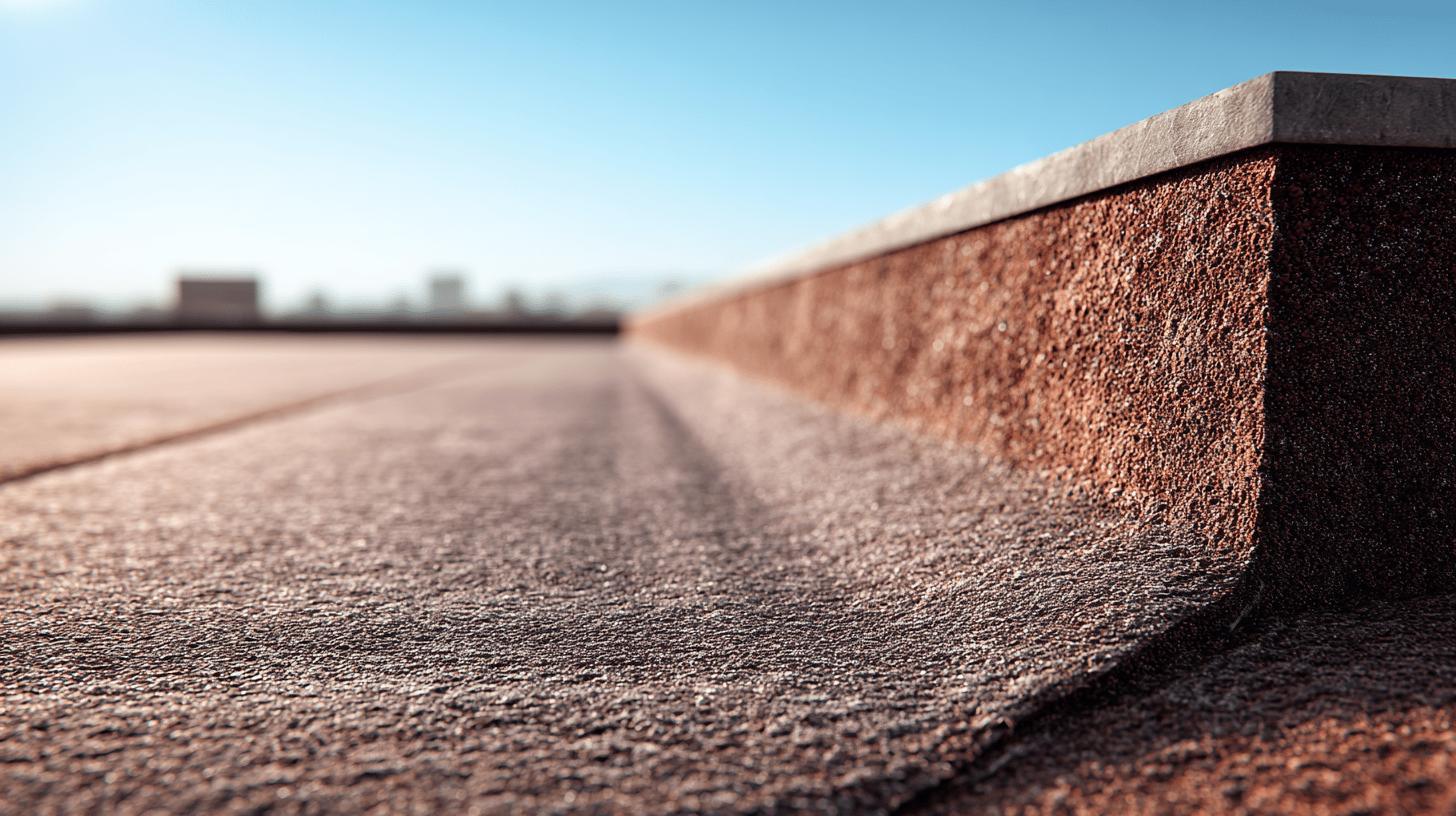
Felt roofing remains a popular choice for flat roofs due to its affordability and straightforward installation process. Often utilised for sheds, garages, and other outbuildings, felt roofing is considered the most cost-effective option among flat-roof membranes. It provides decent waterproofing capabilities, though it generally requires more frequent maintenance and repairs than alternatives like EPDM or GRP. Typically, felt roofs have a lifespan of about 10 to 15 years, making them a suitable option for projects with budget constraints or where long-term durability is less critical. However, felt roofing is best suited for mild climates, as it may not withstand extreme weather conditions effectively.
- Cost-Effectiveness: Felt roofing is the cheapest option, making it an attractive choice for budget-conscious projects.
- Ease of Installation: The simplicity of its installation allows for quick application, reducing labour costs.
- Maintenance Requirements: Although easy to repair, felt roofs need more frequent maintenance to ensure continued performance.
- Limited Lifespan: With a lifespan of 10 to 15 years, felt roofs may not be ideal for long-term projects but are practical for temporary or low-priority structures.
Felt roofing is most appropriate when project budgets are limited, and the structure does not require a long-lasting solution. Its ease of installation and cost-effectiveness make it an excellent choice for smaller buildings or temporary shelters, especially in regions with moderate climates.
Cost Comparison of Flat-Roof Membranes
Understanding the cost implications of choosing a flat-roof membrane is crucial for both short-term budgeting and long-term investment planning. The initial outlay for materials and installation can significantly differ between EPDM, GRP, and felt roofing, each offering distinct advantages relative to cost.
| Roof Type | Average Cost |
|---|---|
| Felt | Lowest |
| EPDM | Moderate |
| GRP | Highest |
Felt roofing stands out as the most budget-friendly option, ideal for projects with limited funds. Its lower initial costs can be attractive; however, the need for more frequent maintenance and potential repairs could increase expenditure over time. EPDM, while moderately priced, balances its initial cost with low maintenance needs and a robust lifespan, providing potential savings in the long run. GRP demands a higher initial investment due to complex installation and material costs but promises durability and minimal maintenance, offering substantial savings over its extended lifespan. When selecting a flat-roof membrane, it is essential to weigh immediate budget constraints against long-term savings and maintenance requirements.
Climate Suitability and Durability of Flat Roof Membranes
When selecting a flat-roof membrane, climate suitability and durability are critical factors to consider. Each material—EPDM, GRP, and felt—offers unique advantages in different environmental conditions. Understanding how these membranes perform under various weather conditions can guide the choice of the most appropriate solution for specific roofing needs.
EPDM Climate Suitability
Is EPDM suitable for extreme climates? Yes, EPDM (Ethylene Propylene Diene Monomer) is highly resistant to UV rays and weathering, making it suitable for a wide range of climates. Its ability to withstand extreme temperatures without losing flexibility or integrity makes it an excellent choice for both hot and cold environments. This UV resistance ensures that EPDM roofs maintain their structural integrity and appearance over time, even in regions with intense sunlight.
GRP Climate Suitability
Does GRP offer good waterproofing in harsh weather? Absolutely, GRP (Glass Reinforced Plastic) roofs are renowned for their seamless finish, providing exceptional waterproofing capabilities. This makes GRP ideal for climates with heavy rainfall or storm conditions, as the absence of seams prevents water ingress. Additionally, GRP’s robust nature allows it to endure significant foot traffic, making it suitable for roofs that may function as terraces or walkable surfaces. Its long lifespan of up to 30 years, and potentially longer with minimal maintenance, underscores its durability in demanding weather conditions.
Felt Climate Suitability
Is felt roofing suitable for all climates? No, felt roofing is best suited for mild climates. While cost-effective and easy to install, felt is less durable under extreme weather conditions compared to EPDM and GRP. Its susceptibility to damage from harsh weather means it may require more frequent maintenance and repairs in areas with severe winter conditions or intense summer heat. Therefore, felt roofing is most appropriate for structures in regions where the climate is moderate and less demanding on the roofing material.
Maintenance and Installation Insights for Flat Roof Membranes
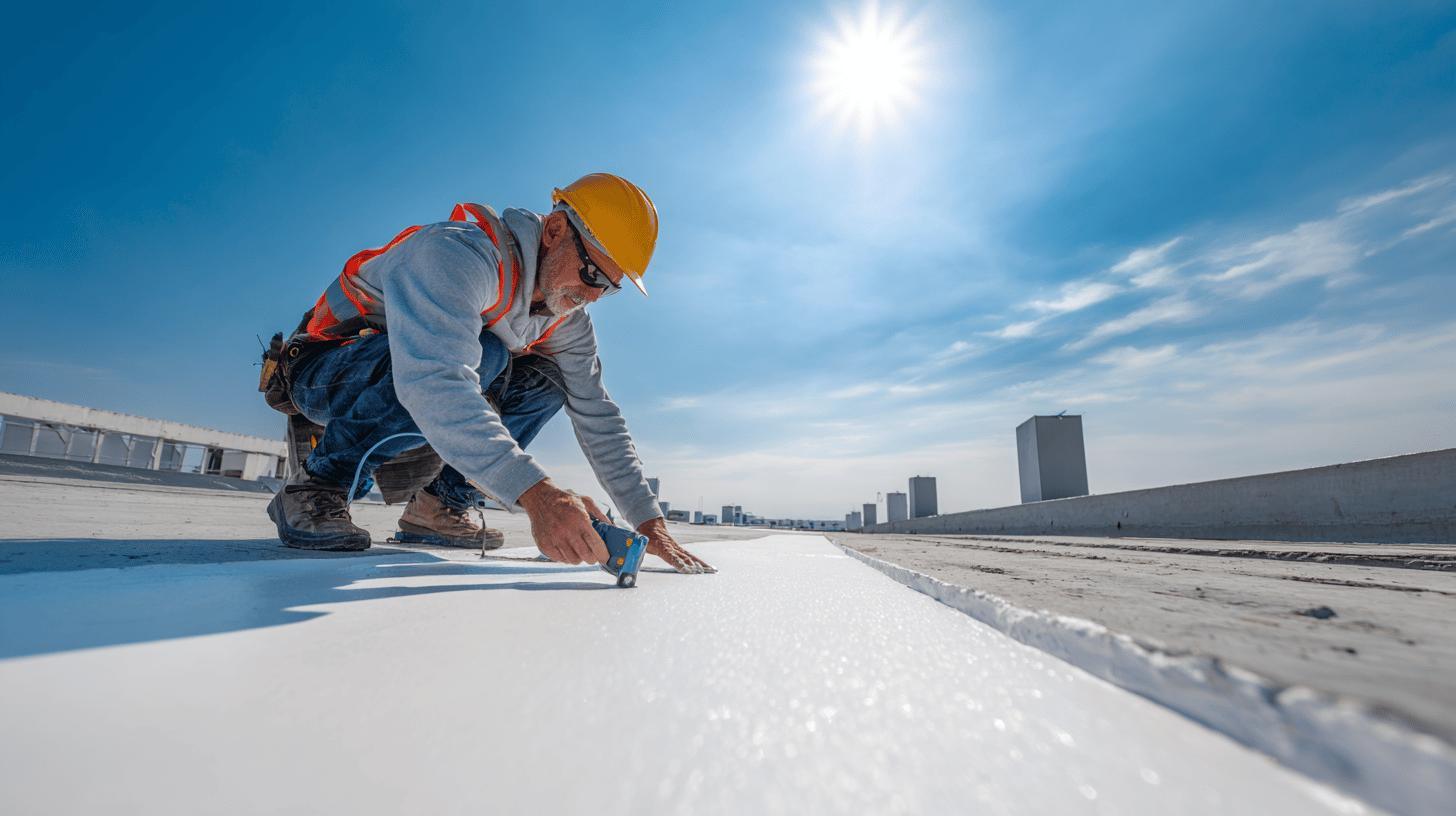
When considering flat roof membranes, understanding the installation and maintenance requirements is crucial for ensuring longevity and performance. EPDM, GRP, and felt each have unique characteristics that influence the complexity of installation and the frequency of maintenance needed. EPDM is often chosen for its ease of installation and low maintenance, making it attractive to both DIY enthusiasts and professional contractors. GRP, however, necessitates professional installation due to its complex application process and requires regular maintenance to prevent potential cracking. Felt roofing, known for its straightforward installation, is a cost-effective option that can be quickly applied and easily repaired if damaged, although it generally demands more frequent attention than EPDM or GRP.
- EPDM DIY Installation: Suitable for DIY projects due to its simplicity, though larger or complex roofs may still require professional help.
- EPDM Professional Installation: Recommended for extensive applications to ensure proper sealing and alignment.
- GRP Professional Installation: Essential, as the complexity of the material demands expertise for seamless and durable application.
- GRP Maintenance: Requires regular checks to address any cracks or damage, ensuring the roof remains waterproof.
- Felt DIY Installation: Easy for DIY enthusiasts, offering a quick and cost-effective installation process.
- Felt Maintenance: Needs regular inspections and repairs, particularly in climates with harsh weather conditions.
Regular inspections and maintenance are vital for all roofing membranes to prolong their lifespan and maintain their efficiency. Early detection of issues, such as cracks or lifted edges, allows for timely repairs, preventing minor problems from escalating into costly damages. By adhering to a consistent maintenance schedule, property owners can ensure their flat roof provides reliable protection against environmental elements for years to come.
Final Words
Selecting the optimal flat-roof membrane depends on various factors, including climate suitability, budget, and maintenance needs. The article explored EPDM’s durability and ease of installation, making it a preferred choice for many contractors and DIY enthusiasts. GRP offers remarkable waterproofing and longevity, though it can be costly and requires professional installation. Felt roofing remains the most budget-friendly, but demands frequent maintenance and is less durable in harsh climates.
In choosing between EPDM, GRP, or felt, consider both short-term costs and long-term benefits to ensure roofing reliability and satisfaction.
Flat Roof Maintenance: Essential Tips for Lasting Protection
Get expert membrane advice → Flat Roofing Services
FAQ
What is the best material for a flat roof in the UK?
EPDM, GRP, and felt are popular materials for flat roofs in the UK, each with unique benefits. EPDM is known for durability and UV resistance; GRP offers a seamless, waterproof finish, and felt is cost-effective.
Is EPDM better than felt for a flat roof?
EPDM is generally more durable and resistant to extreme temperatures and UV rays compared to felt, offering over 25 years of lifespan. However, felt is more affordable and easier to install but requires more maintenance.
Is EPDM or GRP flat roof better?
EPDM provides excellent flexibility and UV resistance, while GRP offers a seamless waterproof finish and is more durable. The choice depends on specific needs, budget, and professional installation capabilities.
Is GRP better than felt?
GRP provides longer-lasting, seamless, and highly waterproof roofing compared to felt, which is more cost-effective but offers a shorter lifespan and requires frequent maintenance.
What is the best membrane for a flat roof?
Choosing the best membrane involves considering climate suitability, durability, and budget. EPDM is UV resistant, GRP is seamless and waterproof, and felt is cost-effective.
What is the longest-lasting flat roof material?
GRP and EPDM tend to offer longer-lasting solutions for flat roofs, with GRP lasting up to 50 years under proper conditions and EPDM providing over 25 years of service.
EPDM vs GRP cost comparison
EPDM is generally less expensive than GRP. While EPDM offers lower installation costs, GRP can have higher initial expenses due to complex installation.
Best flat roof material for walking on
GRP roofing is particularly strong and resistant to foot traffic, making it a suitable option for areas requiring regular access.
Which is better for a flat roof: rubber or fibreglass?
Rubber (EPDM) is favoured for flexibility and UV resistance, while fibreglass (GRP) is ideal for waterproofing and durability. Choice depends on specific flat roofing needs and professional installation preferences.