Did you know that a small roof leak can escalate into a major structural nightmare? Spotting the signs early and taking action could save you thousands in repairs. In this insightful blog post, High Spec Roofing explores the ten most common roofing problems that homeowners face and offers expert solutions to tackle them effectively. From identifying the initial symptoms of a leak to implementing preventative measures, our guide provides actionable advice to maintain your roof’s integrity, ensuring your home remains safe and secure. Dive in to discover the key to a trouble-free roof!
Roof Leaks: Identifying and Addressing the Issue
Common indicators of roof leaks include discolouration in the attic, dripping during rain, and stains on ceilings. These signs often point to underlying issues that need immediate attention. Poor flashing around vents, chimneys, and skylights is a frequent cause of leaks. Identifying these signs early can prevent extensive damage.
Regular inspections are essential to identify and address leaks promptly. Inspections should be conducted at least twice a year, preferably before and after the rainy season. During these inspections, look for any signs of wear and tear, such as missing or damaged shingles, and ensure all flashing is intact. Regular maintenance can save homeowners from costly repairs down the line.
Common Causes of Roof Leaks:
- Damaged or missing shingles
- Poor flashing installation around vents, chimneys, and skylights
- Clogged gutters causing water overflow
- Cracked or worn-out sealant around roof fixtures
- Ice dams forming at the roof edge during winter
Addressing roof leaks promptly is crucial. Begin by locating the source of the leak, which is often easier from the attic. Once identified, minor leaks can sometimes be fixed with roofing cement or sealant. However, for extensive damage or persistent leaks, professional repairs are recommended. Professional roofers have the expertise to replace damaged shingles, repair flashing, and ensure the entire roof system is watertight. Regular maintenance and professional inspections can significantly extend the lifespan of your roof.
Addressing Damaged Shingles: Prevention and Repair
Shingles have a limited lifespan and can become damaged due to various factors such as weather conditions, ageing, and improper installation. Severe weather, including strong winds, hail, and heavy rain, can cause shingles to crack, lift, or even get blown away. Ageing shingles often show signs of curling, cracking, or losing granules. Improper installation, such as inadequate nailing or overlapping, can also compromise the integrity of shingles. Homeowners should look for signs of damage, including missing shingles, visible cracks, and granule loss in gutters.
Regular maintenance is crucial to extending the life of shingles and preventing extensive damage. Inspections should be conducted at least twice a year to identify and address issues promptly. Timely repairs can prevent small problems from escalating into significant damage. For instance, replacing a few damaged shingles can prevent water from seeping into the roofing structure, thus avoiding costly repairs in the future. Regular maintenance also includes cleaning gutters and downspouts to prevent water overflow, which can damage the shingles and roof deck.
Preventative Measures to Protect Shingles:
- Regularly inspect the roof for any signs of damage.
- Clean gutters and downspouts to ensure proper water drainage.
- Trim overhanging tree branches to prevent debris accumulation and physical damage.
- Apply roof sealant to enhance weather resistance.
Expert solutions for repairing damaged shingles include replacing individual shingles that are cracked or missing. For extensive damage, a partial or full roof replacement may be necessary. Professional roofers have the skills to properly install new shingles, ensuring they are securely fastened and aligned. Additionally, they can apply protective coatings and sealants to prolong the shingles’ lifespan. Regular professional inspections and timely repairs are essential in maintaining the roof’s overall health and preventing future issues.
Poor Roof Ventilation: Identifying and Fixing Ventilation Issues
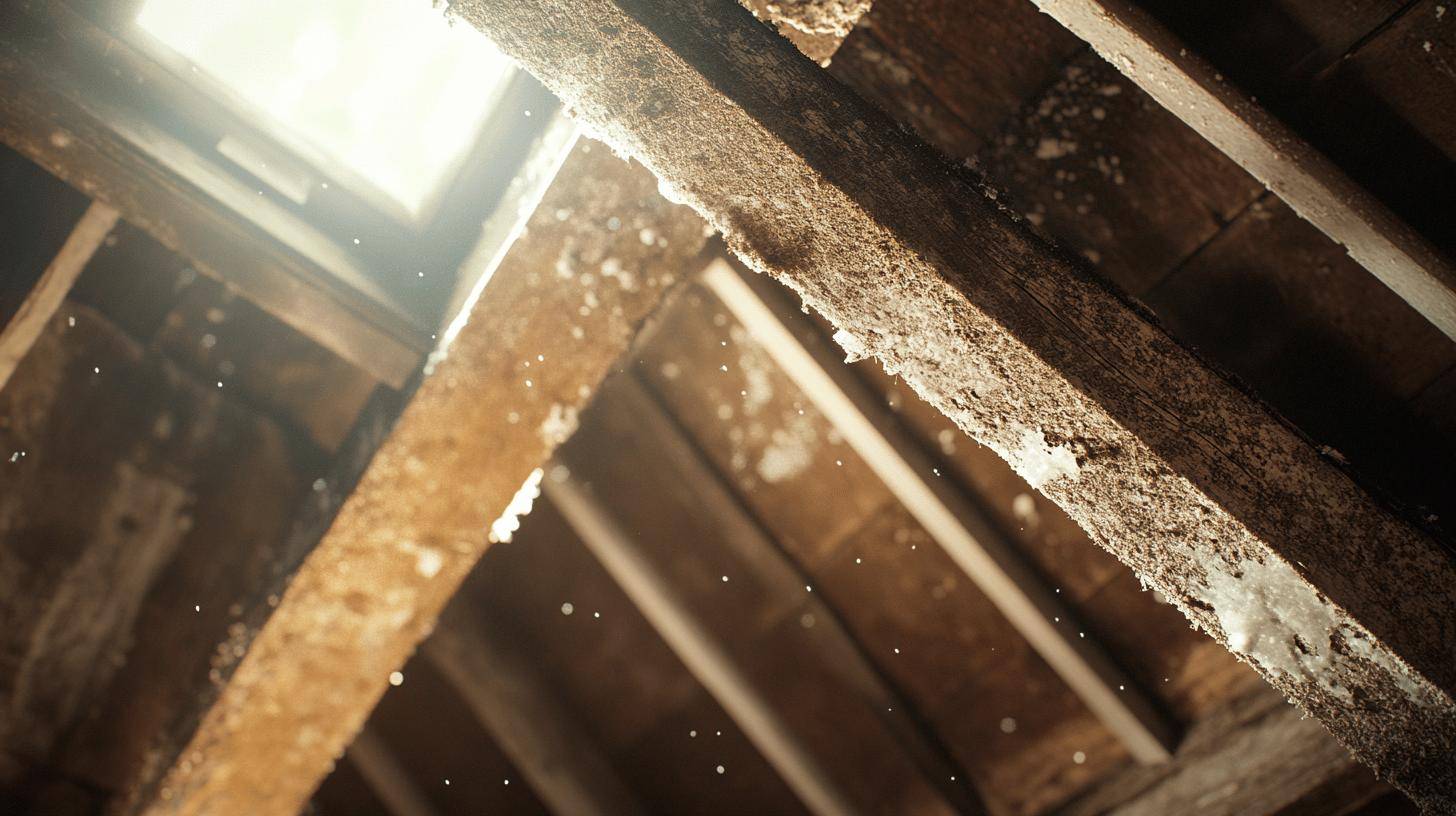
Poor roof ventilation can trap warm, humid air in the roof space, leading to several problems, such as mould growth, rotting timbers, and condensation. These issues not only compromise the structural integrity of the roof but also create an unhealthy living environment. Proper ventilation is crucial to keep the attic dry and cool, preventing wood rot and roof sagging. Homeowners should be vigilant about ventilation issues to avoid costly repairs and health hazards.
Identifying ventilation issues in your attic involves looking for specific signs. These may include visible mould or mildew on rafters, a musty smell, excessive moisture or frost on the underside of the roof, and uneven roof temperatures. During hot weather, a poorly ventilated attic might feel excessively warm, while in cold weather, it might feel damp. Regular inspections can help spot these signs early, allowing for timely intervention.
Solutions to Improve Roof Ventilation:
- Install Ridge Vents: These vents run along the peak of the roof, allowing warm air to escape.
- Add Soffit Vents: Located under the eaves, soffit vents let cool air into the attic.
- Use Gable Vents: Positioned on the gable ends of the house, these vents facilitate airflow.
- Install Attic Fans: These fans actively pull hot air out of the attic.
- Ensure Proper Insulation: Adequate insulation prevents moisture build-up and promotes airflow.
Professional installation and regular checks are essential for maintaining effective roof ventilation. Expert roofers can assess your current ventilation system and recommend improvements tailored to your home’s specific needs. Regular check-ups ensure that vents remain unobstructed and functional, thereby extending the lifespan of your roof and maintaining a healthy living environment.
Gutter Problems: Maintenance and Repair Solutions
Badly installed gutters can cause significant issues like overflow and blockages, leading to water damage. Common gutter problems include incorrect pitch, insufficient supporting clips, and wrong-sized gutters. When the pitch is incorrect, water fails to flow towards the downspouts, causing stagnation and overflow. Insufficient supporting clips can lead to sagging, resulting in water pooling and overflow. Using gutters of the wrong size can also cause inadequate drainage, leading to similar problems.
Regular gutter maintenance is crucial to prevent such issues and ensure proper drainage. Maintenance involves cleaning the gutters to remove debris such as leaves, twigs, and dirt that can cause blockages. Inspections should be conducted at least twice a year, preferably in the spring and autumn, to ensure the gutters are free from debris and functioning correctly. Regular maintenance helps in identifying potential issues before they escalate, saving homeowners from extensive water damage and costly repairs.
Preventative Measures and Repair Tips for Gutters:
- Regular Cleaning: Remove debris from gutters and downspouts to prevent blockages.
- Check the Pitch: Ensure the gutters have the correct slope towards the downspouts.
- Install Gutter Guards: Use guards to prevent debris from entering the gutters.
- Secure Supporting Clips: Ensure all clips are properly installed and spaced to prevent sagging.
Expert solutions for fixing and maintaining gutters include professional gutter installation and regular inspections by a qualified roofer. Professionals can accurately assess and correct the pitch, install appropriate-sized gutters, and ensure sufficient support. Regular professional inspections help identify and address minor issues before they become major problems. This proactive approach ensures the longevity and efficiency of the gutter system, safeguarding the home from potential water damage.
Flashing Failures: Causes and Professional Solutions
Flashing is a vital component in roofing systems, designed to prevent water entry around roof openings such as vents, chimneys, and skylights. It acts as a barrier, directing water away from vulnerable areas and into the gutter system. Properly installed flashing ensures that water does not infiltrate the roof structure, helping to maintain its integrity and prolong its lifespan. Without functional flashing, roofs are susceptible to leaks, which can lead to extensive water damage and costly repairs.
Common causes of flashing failures include poor installation, weathering, and physical damage. Improper installation, such as using the wrong materials or incorrect techniques, can leave gaps and weak points. Weathering from harsh conditions like heavy rain, snow, and strong winds can deteriorate flashing over time, causing it to crack or warp. Physical damage can also occur from falling debris or during maintenance activities, compromising its effectiveness. Regular wear and tear are inevitable, making annual inspections crucial to identify and rectify any issues promptly.
Expert Solutions for Fixing Flashing Problems:
- Regular Inspections: Conduct thorough inspections at least once a year to identify any signs of deterioration or damage.
- Professional Repair: Hire experienced roofers to repair or replace damaged flashing using appropriate materials and techniques.
- Sealant Application: Apply high-quality sealants around flashing to enhance its waterproofing capabilities.
- Upgrade Materials: Consider upgrading to more durable flashing materials, such as metal or rubber, for better longevity and performance.
Professional inspection and replacement are essential to ensure the flashing remains effective. Expert roofers can accurately assess the condition of the flashing and recommend necessary repairs or replacements. Regular professional maintenance helps prevent minor issues from becoming major problems, ensuring the roof remains watertight and structurally sound.
Addressing Roof Wear and Tear: Maintenance and Replacement
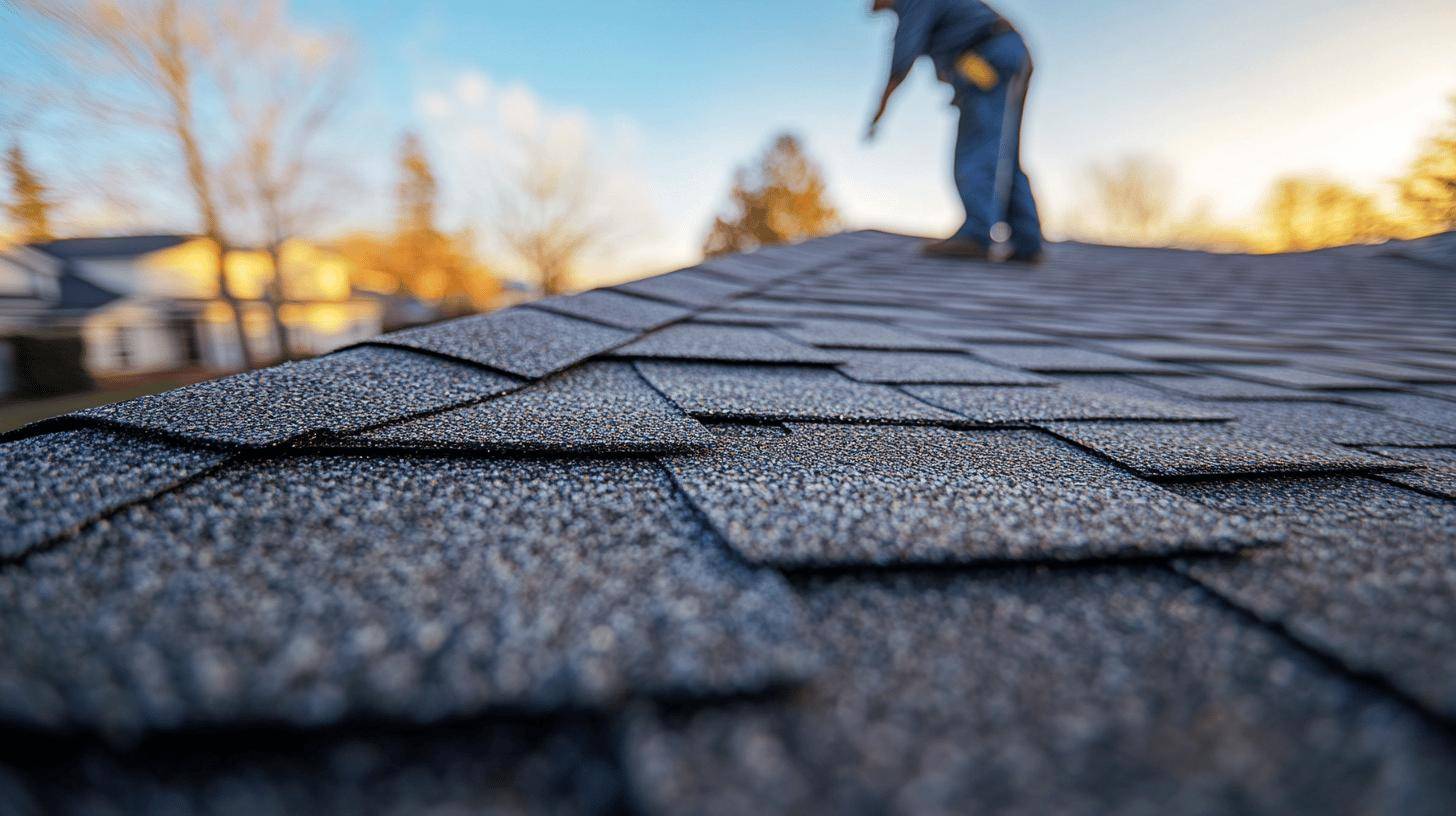
Roofing materials inevitably deteriorate over time due to exposure to weather, UV rays, and general ageing. Common signs of wear and tear include cracked, curling, or missing shingles, granule loss, and visible sagging. These indicators suggest that the roof’s protective capabilities are compromised and require attention. Ignoring these signs can lead to more severe issues, such as leaks and structural damage, necessitating costly repairs or replacement.
Regular maintenance is crucial to delaying the need for a complete roof replacement. Periodic inspections, ideally twice a year, can identify and address minor issues before they escalate. Maintenance activities such as cleaning gutters, removing debris, and replacing damaged shingles are essential to preserving the roof’s integrity. By keeping the roof in good condition, homeowners can extend its lifespan and avoid the substantial expense of a full replacement.
Maintenance Tips to Extend the Life of the Roof:
- Regular Inspections: Conduct bi-annual inspections to identify and address minor issues early.
- Clean Gutters: Ensure gutters and downspouts are free from debris to prevent water damage.
- Trim Trees: Trim overhanging branches to avoid physical damage and debris accumulation.
- Replace Damaged Shingles: Promptly replace any cracked, curling, or missing shingles.
- Apply Roof Coating: Use protective coatings to enhance weather resistance and longevity.
Expert advice on when roof replacement becomes necessary includes evaluating the extent of wear and tear. If over 30% of the shingles are damaged or missing, or if the roof is nearing the end of its typical lifespan (20-25 years for asphalt shingles), a full replacement might be more cost-effective than continuous repairs. Consulting with a professional roofer can provide a precise assessment and help homeowners make informed decisions regarding roof maintenance and replacement.
Chimney Damage: Identifying and Repairing Issues
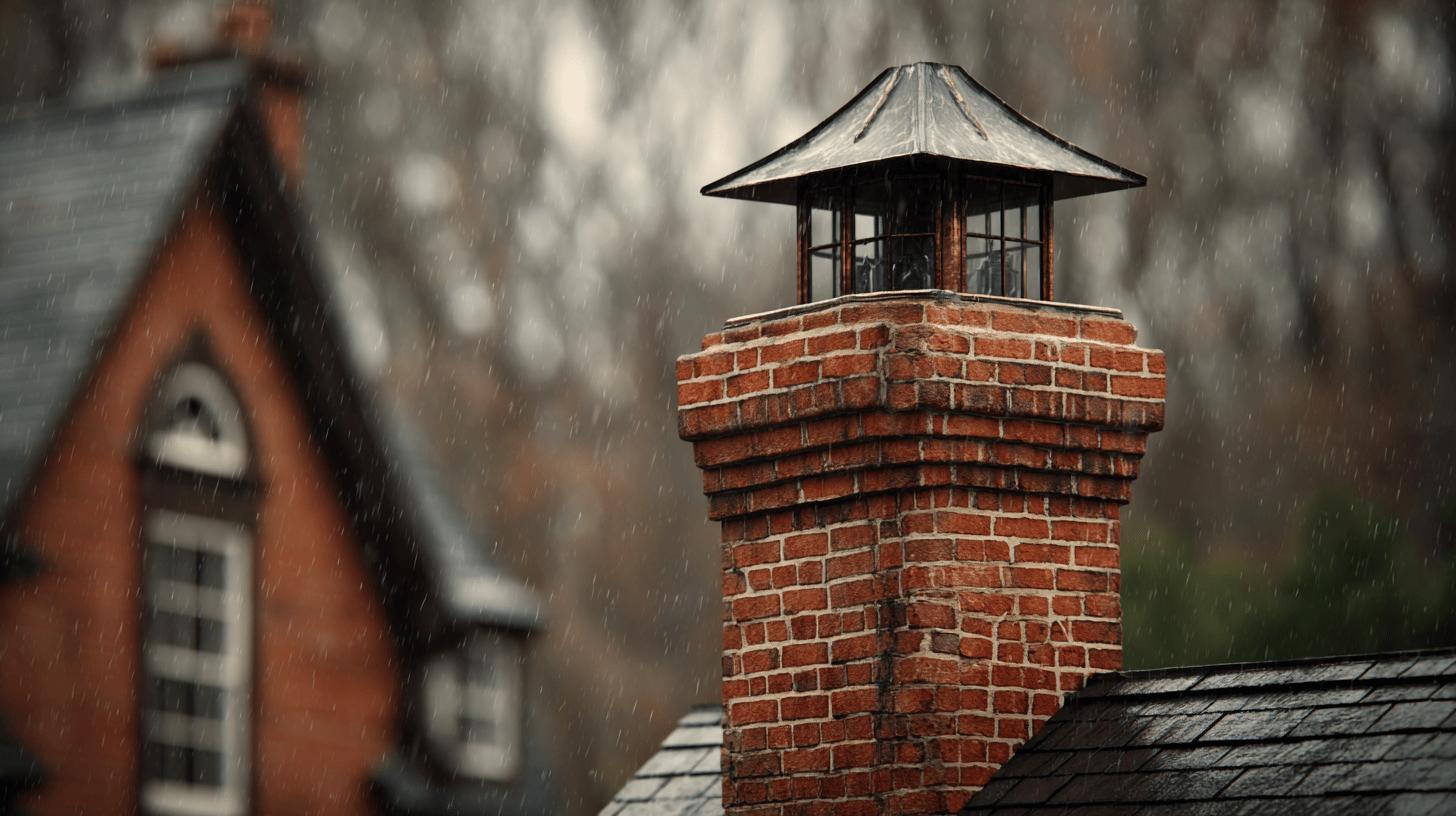
Common signs of chimney damage include cracked chimney pots, degraded flashings, and loss of mortar. These issues can compromise the structural integrity of the chimney, leading to potential safety hazards and further roof damage. Homeowners should look for visible cracks in the chimney structure, loose bricks, and rust on the metal components. Additionally, water stains on the interior walls near the chimney may indicate leaks caused by faulty flashing. Identifying these signs early is crucial to prevent extensive damage.
Regular chimney inspections are essential to detect and address problems promptly. Inspections should be conducted at least once a year, ideally before the onset of winter. During these inspections, a professional can assess the condition of the chimney pots, flashing, and mortar joints. They can also check for any obstructions or creosote buildup that could pose fire hazards. Regular inspections help maintain the chimney’s structural integrity and ensure it functions efficiently.
Expert Solutions for Repairing Chimney Issues:
- Repointing: Replacing deteriorated mortar joints with fresh mortar to restore structural stability.
- Flashing Replacement: Installing new, properly fitted flashing to prevent water infiltration.
- Chimney Cap Installation: Adding a cap to prevent debris and water from entering the chimney.
- Chimney Liner Repair: Fixing or replacing the liner to protect the chimney walls and improve efficiency.
Professional chimney restoration services offer significant benefits, including ensuring the repairs are done to the highest standards. Experts have the skills and equipment to perform thorough inspections and repairs, reducing the risk of future issues. By hiring professionals, homeowners can extend the lifespan of their chimneys, improve safety, and maintain the overall health of their roofing system.
Roof Insulation Issues: Importance and Solutions
Proper roof insulation is crucial for maintaining energy efficiency in a home. Around 25% of a home’s heat can escape through the roof if it isn’t adequately insulated. This heat loss translates directly into higher energy bills, as heating systems must work harder to maintain a comfortable indoor temperature. Effective insulation helps retain warmth during the winter and keeps the home cooler in the summer, thereby reducing energy consumption and costs. Ensuring that roof insulation meets current building regulations during any roof replacement or renovation is essential for long-term energy efficiency.
Common insulation issues include inadequate insulation thickness, gaps or voids in the insulation layer, and the use of outdated materials. These problems can lead to uneven temperatures within the home, causing certain areas to be colder or hotter than others. Additionally, poor insulation can contribute to moisture build-up, resulting in mould growth and potential structural damage. Identifying and addressing these issues promptly can prevent further complications and improve overall home comfort.
Solutions for Improving Roof Insulation:
- Upgrade Insulation Material: Use modern, high-efficiency insulation materials that comply with current building standards.
- Seal Gaps and Voids: Ensure there are no gaps in the insulation layer to prevent heat loss and moisture ingress.
- Increase Insulation Thickness: Add extra layers or thicker insulation to boost thermal resistance.
- Install Vapour Barriers: Use vapour barriers to control moisture and prevent condensation build-up.
Professional installation and regular maintenance are vital to maintaining effective roof insulation. Expert roofers can assess the current state of insulation, recommend suitable materials, and install them correctly to maximise energy efficiency. Regular inspections help identify minor issues before they become significant problems, ensuring the insulation continues to perform optimally.
Solving Ponding Water Issues on Flat Roofs
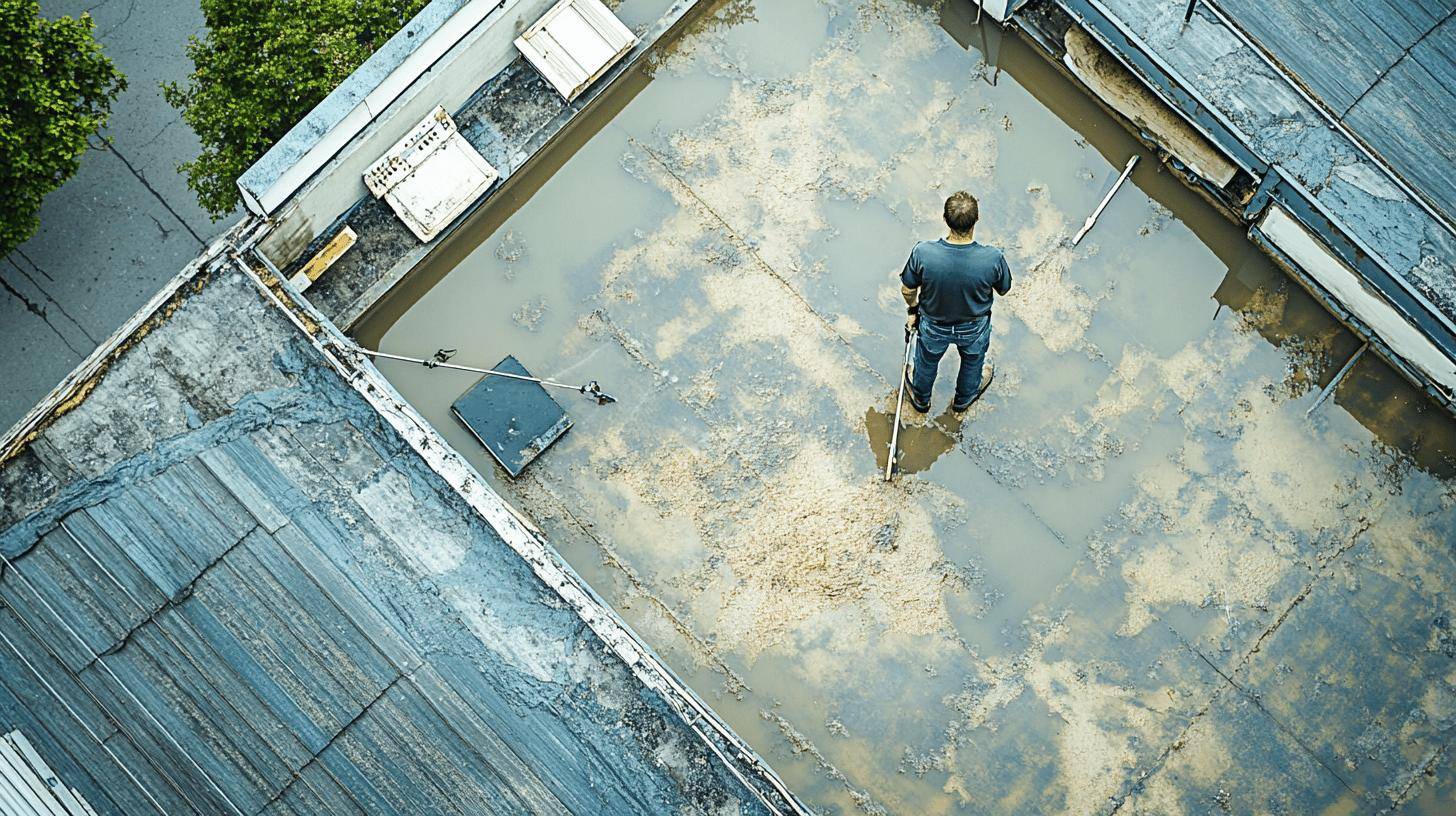
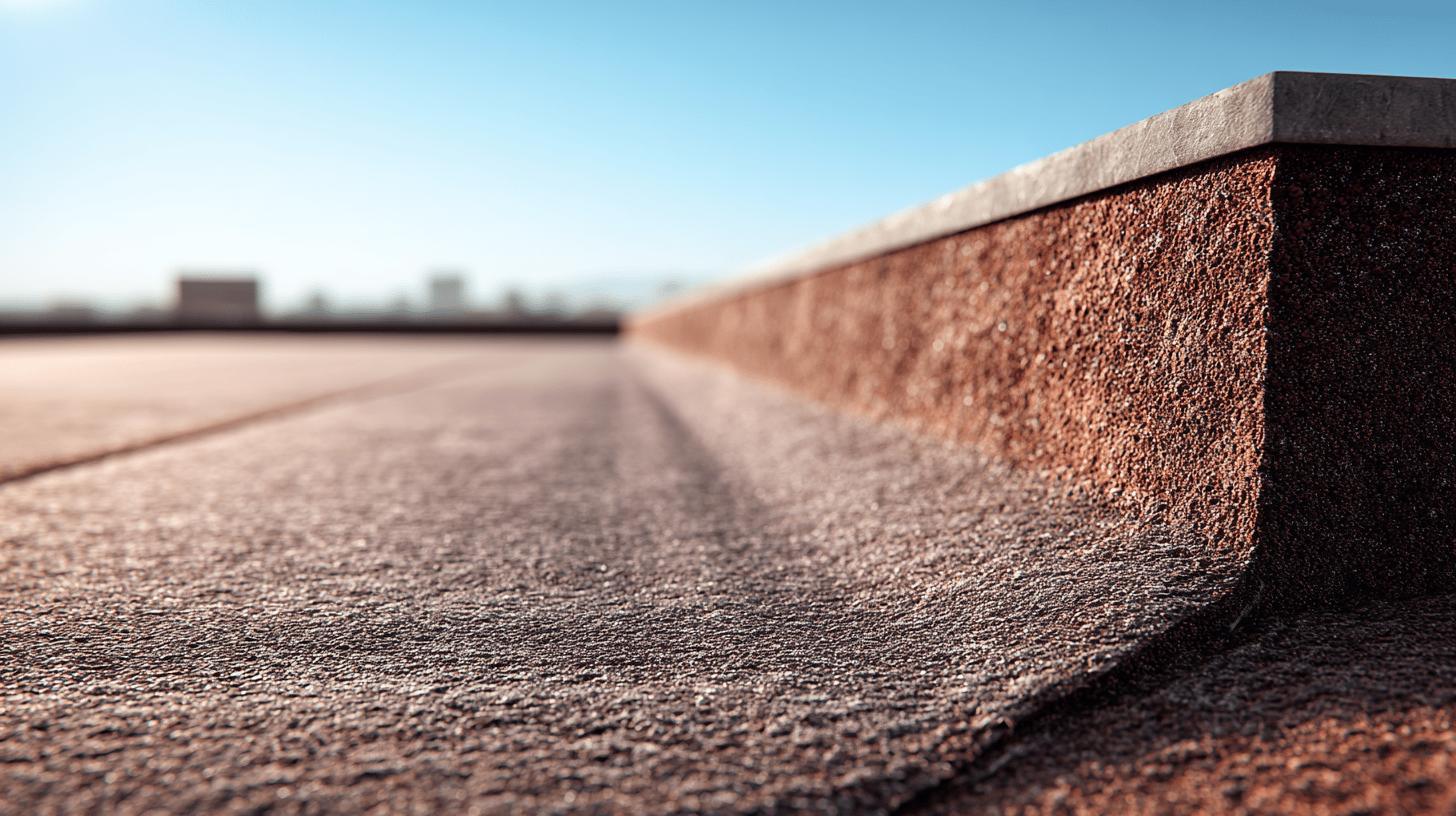
Ponding water on flat roofs can lead to significant problems such as leaks and structural damage. This issue occurs when water accumulates and remains on the roof for an extended period, typically more than 48 hours. Causes of ponding water include inadequate roof slope, clogged drainage systems, and structural issues such as sagging. Risks associated with ponding water include accelerated roof membrane deterioration, increased load on the roof structure, and the potential for leaks that can damage the building’s interior.
Proper drainage systems are crucial in preventing water accumulation on flat roofs. These systems ensure that water is efficiently directed off the roof, reducing the risk of ponding. Essential components of a good drainage system include properly placed drains, scuppers, and gutters. Ensuring that these components are adequately sized and free from blockages is vital. Regular inspections can help identify and rectify any issues with the drainage system before they lead to ponding water and subsequent damage.
Expert Solutions for Preventing and Addressing Ponding Water:
- Improve Roof Slope: Adjust the roof’s pitch to ensure water flows towards the drainage points.
- Install Additional Drains: Add more drains to improve water removal, especially in areas prone to pooling.
- Use Tapered Insulation: Apply tapered insulation to create a slope on the flat roof surface.
- Regular Maintenance: Keep drains, scuppers, and gutters clean and free from debris to prevent blockages.
Regular inspections and maintenance are essential to keep flat roofs in good condition and prevent ponding water. Professional roofers can assess the roof’s drainage system, identify potential problem areas, and recommend appropriate solutions. By conducting routine inspections, homeowners can ensure that their flat roofs remain watertight and structurally sound, thus extending the roof’s lifespan and avoiding costly repairs.
Preventing Ice Dams: Tips and Solutions
Ice dams form when warm air in the attic causes snow to melt and refreeze at the roof edge. This process creates a barrier of ice that prevents melting snow from draining off the roof, leading to water backup and leaks. The trapped water can seep under shingles, causing damage to the roof deck, insulation, and interior ceilings. This issue is particularly prevalent in winter, making it a significant winter roof problem for many homeowners.
Proper insulation and ventilation are crucial for roof ice dam prevention. Insulation helps maintain a consistent temperature in the attic, preventing warm air from escaping and heating the roof. Adequate ventilation ensures that any warm air that does enter the attic is quickly expelled, keeping the roof cool and reducing the risk of snow melting and refreezing. By addressing these two factors, homeowners can significantly reduce the likelihood of ice dams forming.
Expert Solutions for Preventing Ice Dams:
- Improve Attic Insulation: Ensure the attic is well-insulated to prevent warm air from escaping.
- Enhance Roof Ventilation: Install soffit and ridge vents to promote proper airflow and maintain a cool roof surface.
- Seal Air Leaks: Identify and seal any gaps or openings that allow warm air to enter the attic.
- Use Roof De-icing Cables: Install electric heating cables along the roof edge to prevent ice formation.
Proper insulation and ventilation are essential to maintaining a healthy roof and preventing ice dams. Regular inspections and professional assessments can help homeowners identify and address potential issues, ensuring their roofs remain protected throughout the winter.
Final Words
Exploring 10 Common Roofing Problems: Expert Solutions for Homeowners highlighted key areas such as identifying and addressing roof leaks, fixing damaged shingles, and solving ventilation issues. Further sections discussed maintaining gutters, replacing flashing, dealing with wear and tear, and addressing chimney damage, insulation issues, ponding water, and ice dams.
Understanding and addressing these common roofing problems ensures a secure and well-maintained roof. Regular inspections, timely repairs, and professional advice are crucial in extending your roof’s life and maintaining your home’s integrity.
By focusing on these expert solutions, homeowners can safeguard their property and ensure long-lasting roofing performance.
FAQ
What are the five most common roofing problems?
Common roofing problems include leaks, damaged shingles, poor ventilation, gutter issues, and flashing failures.
What are common signs of a roof leak?
Common indicators of roof leaks include discolouration in the attic, dripping during rain, and stains on ceilings.
How can you identify and address roof leaks?
To identify roof leaks, look for discolouration in the attic and stains on ceilings. Poor flashing is often the cause. Regular inspections and prompt repairs are essential.
What causes damage to roof shingles?
Damage to shingles can be due to weather, age, or improper installation. Common signs include curling, cracking, and missing shingles.
What are the solutions for repairing damaged shingles?
Regular maintenance and timely repairs can extend shingle life. For severe damage, a full roof replacement may be necessary.
How can poor roof ventilation affect your home?
Poor ventilation can trap warm, humid air, leading to mould growth, rotting timbers, and condensation issues.
What are the solutions to improve roof ventilation?
Improving roof ventilation includes installing ridge vents, attic fans, and soffit vents to ensure adequate airflow.
What are common gutter problems and their causes?
Common gutter issues include overflow, blockages, incorrect pitch, and inadequate support clips. These usually result from poor installation.
How can you maintain and repair gutters effectively?
Regular cleaning, proper installation, and using the right size and pitch can prevent most gutter problems.
What can cause flashing failures on roofs?
Flashing failures are often due to weathering, poor installation, or physical damage, leading to leaks around vents, chimneys, and skylights.
How can you fix roof flashing problems?
Regular inspection and timely replacement by professionals ensure flashing stays intact and functional, preventing leaks.
What are the effects of roof wear and tear?
Roof wear and tear can result in cracked shingles, leaks, and structural damage. Regular maintenance can delay the need for replacement.
When should a roof be replaced?
A roof should be replaced when signs of severe wear and tear, such as extensive leaks and damaged shingles, are evident. Regular inspections can help determine timing.
What are common signs of chimney damage?
Common signs include cracked chimney pots, degraded flashing, and mortar loss, which can lead to structural issues.
How can chimney issues be repaired?
Professional repairs are crucial. Solutions include replacing cracked pots, redoing flashing, and repointing mortar to prevent structural damage.
Why is proper roof insulation important?
Proper roof insulation lowers energy bills by reducing heat loss, which is crucial for maintaining indoor temperature and energy efficiency.
What are solutions for improving roof insulation?
Solutions include installing high R-value insulation, ensuring it meets building regulations, and conducting regular maintenance.
What causes ponding water on flat roofs?
Ponding water on flat roofs results from improper drainage, low spots, or structural issues, leading to leaks and damage.
How can you address ponding water on flat roofs?
Ensure proper drainage systems, regular slope adjustments, and timely inspections to prevent water accumulation.
How do ice dams form?
Ice dams form when warm attic air melts snow, which then refreezes at the roof edge, causing water back up and leaks.
How can ice dams be prevented?
Proper insulation, ventilation, and the use of ice and water shields are crucial for preventing ice dams.