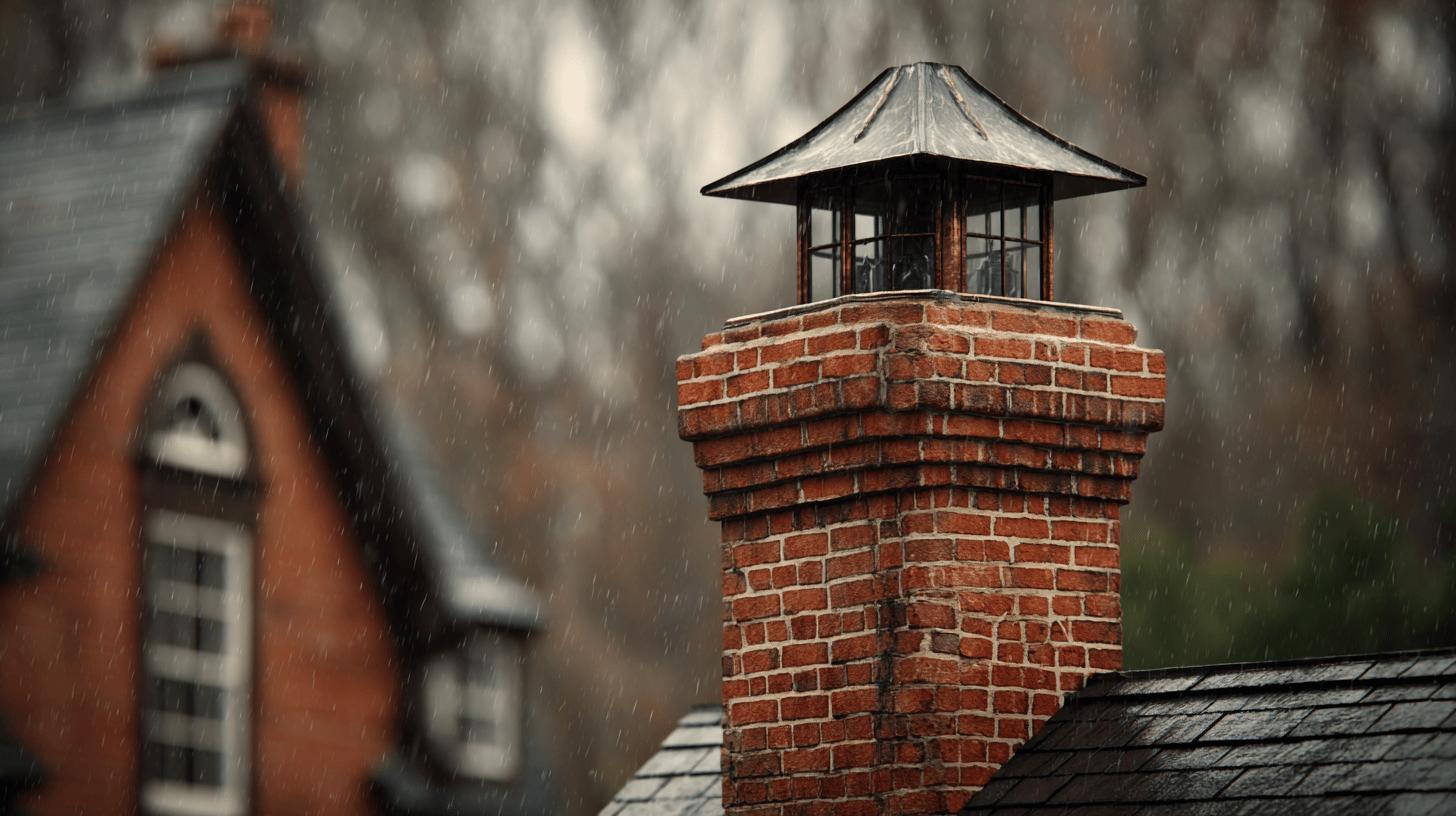
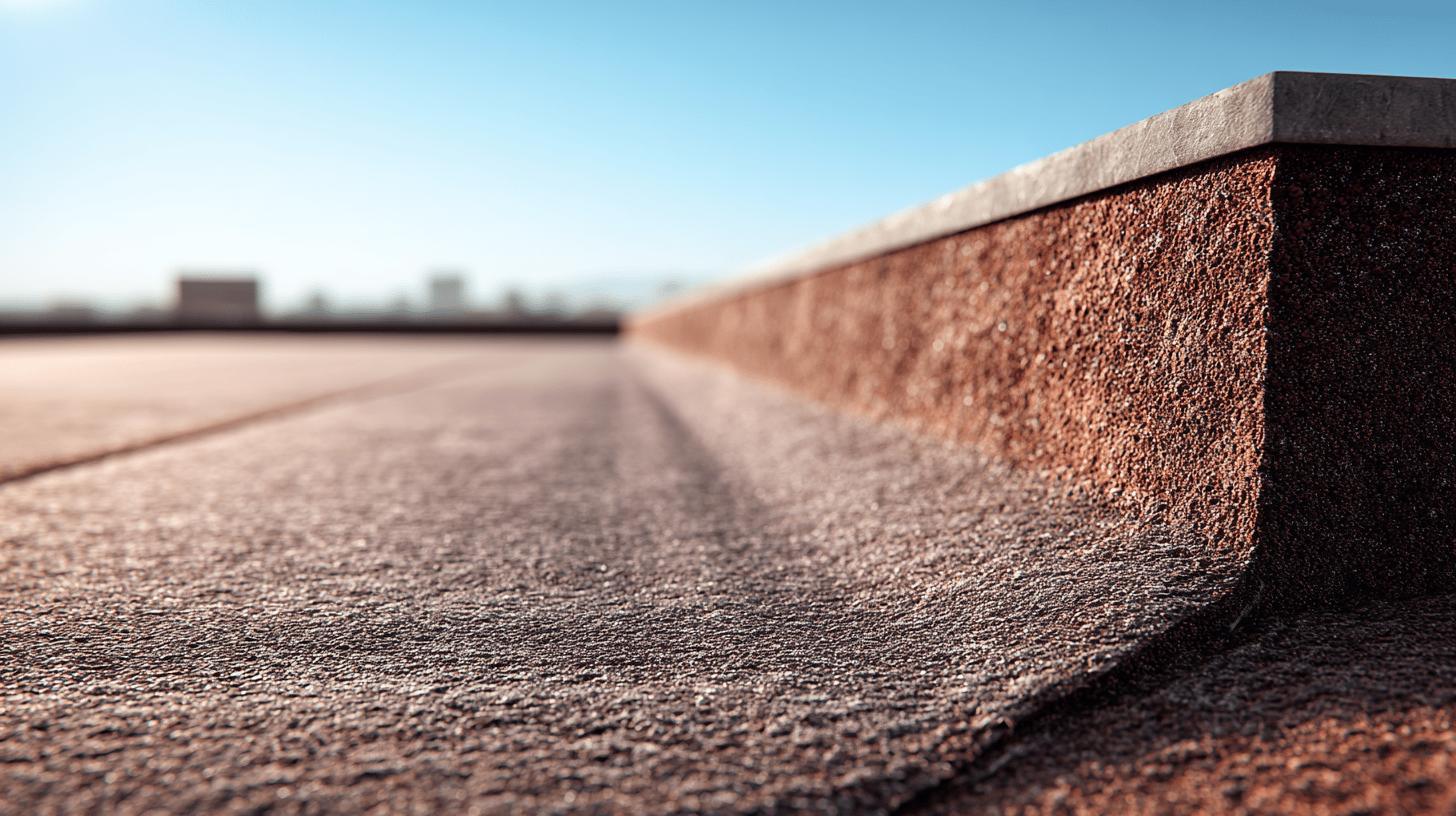
Is your roof trying to tell you something? Ignoring subtle warning signs can lead to significant problems down the line. Early detection of roof damage, such as water stains on your ceiling or damaged tiles, can save you from costly repairs and structural issues. This comprehensive guide will help you spot the early warning signs of roof damage, ensuring your home remains safe and secure. Pay attention to these critical indicators and take action before minor issues become major headaches. Read on to discover what every homeowner should watch for to maintain a robust roof and a resilient home.
Identifying Water Stains and Ceiling Damage
Water stains on ceilings or walls are often the first indicators of potential roof leaks. These stains typically manifest as dark or damp spots and are sometimes accompanied by a musty smell, which signifies water penetration. In addition to visible stains, water damage can also appear as bubbles in the drywall or active drips from the ceiling. Detecting these early signs is crucial, as even minor leaks can escalate into significant problems over time, affecting the structural integrity of your home.
Common water damage indicators include:
- Dark or damp spots on ceilings or walls
- Musty odours around the affected area
- Bubbles or blisters in drywall paint
- Active drips or water trails from the ceiling
- Stains that grow or change shape over time
Addressing water stains promptly is vital to prevent further damage. Ignoring these signs can lead to more severe issues such as mould growth, weakened structural components, and costly repairs. Immediate action, such as contacting a roofing professional, can help mitigate the damage and extend the lifespan of your roof. Early intervention is not only cost-effective but also essential for maintaining a safe and healthy living environment.
Examining Roof Ventilation and Its Impact
Proper roof ventilation is crucial for maintaining roof health and preventing damage. Poor ventilation in the attic can lead to the accumulation of heat and moisture, which may eventually compromise the roof’s structural integrity. Effective ventilation allows warm air to escape, thereby reducing the risk of moisture buildup that can cause rot, mould, and other issues. Ensuring your roof is well-ventilated can extend its lifespan and enhance the overall comfort of your home.
Common signs of poor ventilation include:
- Excessive attic heat during summer
- Moisture or frost accumulation in the attic
- Mould or mildew growth on attic surfaces
- Increased energy bills due to inefficient temperature regulation
Improving roof ventilation involves several straightforward steps. First, ensure that soffit vents are clear of obstructions, allowing for adequate air intake. Installing ridge vents along the roof peak can help expel warm air, while attic fans can provide additional airflow during periods of extreme heat. Regular inspections and maintenance are essential to identify and rectify any ventilation issues, thereby safeguarding your roof and home.
Recognising Missing or Damaged Roof Tiles
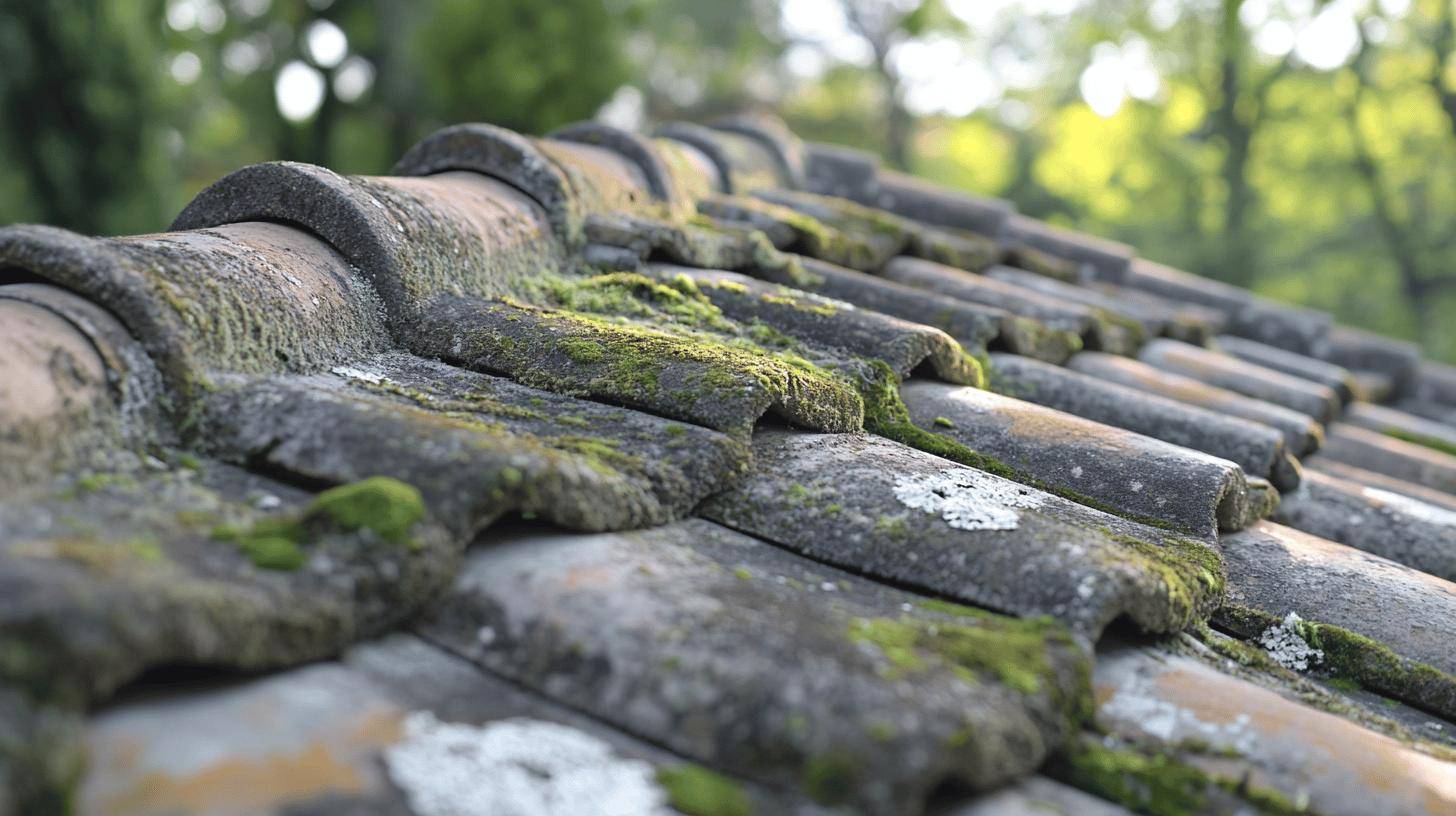
Missing or damaged roof tiles are among the most apparent indicators of roof damage. High winds and heavy rains can cause tiles to crack, curl, or detach from the roof, leading to water seepage and moisture accumulation. When tiles are compromised, the underlying roof structure becomes exposed to the elements, increasing the risk of leaks and further damage. Homeowners should be vigilant in checking for missing or damaged tiles, particularly after severe weather events.
Specific examples of roof tile damage include:
| Damage Type | Cause |
|---|---|
| Cracked Tiles | Impact from debris or severe weather |
| Curling Tiles | Prolonged exposure to heat and UV rays |
| Detached Tiles | Strong winds or improper installation |
| Water Stained Tiles | Poor drainage or persistent moisture |
| Moss-Covered Tiles | Excessive moisture and shade |
Regular inspections are crucial to identify and replace damaged tiles promptly. Conduct visual inspections from the ground or use binoculars to spot any irregularities. For a more thorough assessment, consider hiring a professional roofing contractor, especially after severe weather. Promptly addressing any issues with roof tiles can prevent further damage and extend the lifespan of the roof. Ensuring that all tiles are intact and properly secured is essential for maintaining the roof’s structural integrity and protecting the home from weather-related damages.
Addressing Roof Granule Loss and Gutter Issues
Granule loss on asphalt tiles is a clear indicator of roof wear. Asphalt tiles are designed with a protective granule layer that shields the underlying material from UV rays and harsh weather conditions. Over time, especially during heavy rains, these granules can be washed away, leaving the tiles vulnerable to damage. Detecting a significant amount of granules in the gutters is a warning sign that the tiles are deteriorating and may need replacement. Failure to address granule loss promptly can lead to further degradation and potential leaks.
Common gutter issues and their effects include:
- Clogged Gutters Can cause water overflow, leading to potential water damage to the roof and foundation.
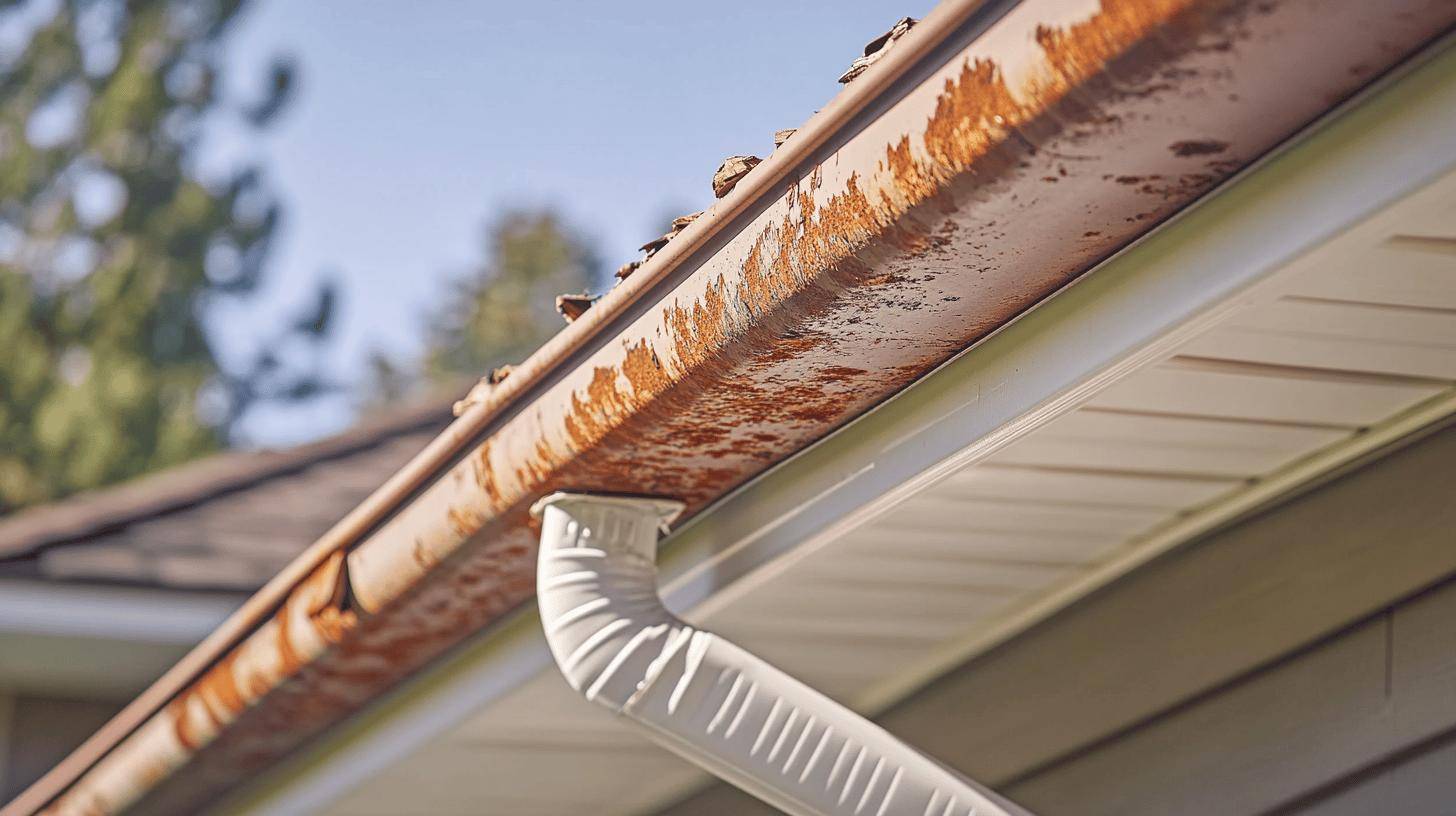
- Rusted Gutters: Indicate long-term exposure to moisture and can lead to leaks and structural damage.
- Detached Gutters: Result from poor installation or weather damage, preventing proper water drainage.
- Sagging Gutters: Usually caused by the accumulation of debris, which can strain the gutter system and lead to water pooling.
Regular maintenance is essential to prevent granule loss and gutter problems. Start by cleaning the gutters at least twice a year to remove leaves, twigs, and other debris that can cause clogs. Inspect the gutters for signs of rust or detachment and repair or replace any damaged sections promptly. Additionally, consider installing gutter guards to minimise debris accumulation. Regularly check the roof for granule loss, particularly after severe weather, and consult a roofing professional if you notice significant wear. Taking these preventative measures can help maintain the integrity of your roof and avoid costly repairs.
Spotting Roof Sagging and Structural Damage
A uniformly straight roof line is an indicator of a healthy roof. When a roof starts to sag or dip, it indicates potential structural issues, often resulting from water saturation or excessive weight. Water infiltration can weaken the wooden components of the roof, causing them to lose their structural integrity. Similarly, excessive weight from accumulated snow or debris can strain the roof, leading to sagging. Identifying these early signs is crucial to prevent dangerous and costly roof failures.
Common causes of roof sagging include:
- Water Saturation: Prolonged exposure to moisture can weaken the roof’s wooden structure.
- Excessive Weight: Accumulation of snow, debris, or heavy equipment can strain the roof.
- Poor Construction: Inadequate design or substandard materials can lead to structural weaknesses.
Prompt intervention is essential when sagging is detected. Ignoring these signs can lead to more severe structural damage, potentially causing the roof to collapse. Immediate action, such as consulting a roofing professional for an inspection and necessary repairs, can mitigate the risks. Strengthening the roof’s support structure and ensuring proper drainage can also help prevent future sagging. Regular maintenance and inspections are vital to maintaining roof health and protecting your home from significant damage.
Detecting Mould, Mildew, and Moss on the Roof
Mould, mildew, and moss on the roof can cause significant damage if not properly maintained. These growths thrive in damp and shaded areas, gradually deteriorating the roofing materials. Over time, they can compromise the roof’s structural integrity, leading to leaks and other issues. Mould and mildew can penetrate roofing materials, causing decay and rot, while moss can lift tiles and create gaps that allow water to seep in. Identifying and addressing these issues early is crucial to preserving the roof’s health.
Preventive measures to avoid mould, mildew, and moss buildup include:
- Regular Cleaning: Periodically remove debris such as leaves and branches to reduce moisture retention and prevent growth.
- Trimming Overhanging Branches: Ensure that branches are trimmed back to allow sunlight to reach the roof and dry out moisture.
- Applying Protective Treatments: Use anti-moss and anti-fungal treatments to inhibit the growth of mould, mildew, and moss.
Regular maintenance is essential to prevent the buildup of these harmful growths. Conducting routine inspections allows homeowners to identify early signs of mould, mildew, and moss, enabling timely intervention. Implementing the above preventive measures can significantly reduce the risk of damage, extending the lifespan of the roof and maintaining a healthy living environment. Consistent upkeep not only safeguards the roof but also enhances the overall durability and functionality of the home.
Understanding the Impact of Roof Age and Weather Conditions
Roof age is a critical factor in determining the overall health and durability of a roof. As roofs age, they become increasingly susceptible to damage and wear. The materials used in roofing, such as asphalt tiles or slate, have a finite lifespan and will naturally degrade over time. The older the roof, the more likely it is to experience issues such as leaks, tile detachment, or structural weaknesses. Recognising the limitations of older roofing materials and proactively addressing potential problems can prevent severe damage and extend the roof’s lifespan.
Weather conditions significantly impact the rate at which a roof ages and deteriorates. Extreme weather events can accelerate the ageing process and cause various types of damage.
Common weather conditions that can impact the roof include:
- Heavy Rainfall: Persistent rain can lead to water infiltration and damage to the underlying roof structure.
- Snow and Ice: Accumulation of snow and ice can cause excessive weight and potential collapse, as well as ice dams that prevent proper drainage.
- High Winds: Strong winds can detach tiles, expose the roof to further damage, and lead to leaks.
- UV Radiation: Prolonged exposure to sunlight can cause roofing materials to become brittle and crack over time.
Weatherproofing and regular inspections are essential to maintain roof health. Applying weatherproof coatings, sealing seams, and ensuring proper drainage can protect the roof from adverse weather effects. Regular inspections, especially after significant weather events, help identify early signs of damage and allow for timely repairs. Taking these preventive measures ensures that the roof remains functional and durable, safeguarding the home from potential weather-related damages.
Preventative Measures and Maintenance Tips for Homeowners
Regular maintenance is crucial for preventing roof damage and extending the lifespan of your roof. Simple, consistent actions such as clearing debris, inspecting for damage, and ensuring proper ventilation can avert many common roofing problems. Neglecting routine maintenance can lead to severe issues like leaks, mould growth, and structural damage, which are often costly to repair. By dedicating time to regular upkeep, homeowners can protect their investment and maintain the structural integrity of their homes.
Practical maintenance tips include:
- Clear Debris Regularly: Remove leaves, twigs, and other debris from the roof and gutters to prevent water blockage and potential damage.
- Inspect for Damage: Conduct visual inspections, especially after severe weather, to identify and address any missing or damaged tiles promptly.
- Ensure Proper Ventilation: Check that attic vents are unobstructed to allow for adequate air circulation and prevent moisture buildup.
- Check for Mould and Moss: Regularly inspect for signs of mould, mildew, or moss, and clean these growths to prevent deterioration of roofing materials.
- Trim Overhanging Branches: Keep branches trimmed back from the roof to avoid damage from falling limbs and to allow sunlight to dry out moisture.
- Monitor Roof Granules: Check gutters for an accumulation of granules, as this indicates the wear of asphalt tiles and the need for potential replacement.
Knowing when to consult a professional is also essential for effective roof maintenance. If you notice persistent leaks, extensive damage, or signs of structural issues, it’s time to call in an expert. Professional roofers have the skills and equipment to conduct thorough inspections and make necessary repairs that might be beyond the capabilities of an average homeowner. By combining regular maintenance with professional assessments, you can ensure your roof remains in optimal condition for years to come.
Final Words
Identifying Early Warning Signs of Roof Damage is crucial for maintaining a secure and well-kept home. Recognising water stains, inadequate ventilation, damaged tiles, granule loss, roof sagging, and mould growth can prevent more extensive and costly issues. Proactive inspections and maintenance, especially considering roof age and weather impacts, are vital for long-term roof health.
By staying vigilant and addressing these signs early, homeowners can ensure their roofs remain durable and safe for years to come.
Protect your home by recognising roof damage early – Contact us for a professional inspection today!
FAQ
Q: What are the interior signs of roof damage?
Dark or damp spots on ceilings or walls, bubbles in drywall, or active drips from the ceiling are signs of roof damage.
Q: Need a new roof but can’t afford it?
Consider financing options, government grants, or deferred payment plans. Some roofing companies also offer financing solutions to spread the cost over time.
Q: What are the signs of a roof leak on the ceiling?
Water stains, dark spots, and bubbling paint on ceilings are common signs of a roof leak.
Q: How often do roofs need to be replaced in the UK?
Roofs generally need replacement every 20 to 30 years, depending on the material, maintenance, and local weather conditions.
Q: What are the signs of a roof leak in the attic?
Look for damp insulation, water stains on rafters, and a musty smell in the attic.
Q: What do roofs that need to be replaced look like?
Roofs needing replacement often have missing tiles, visible sagging, extensive moss growth, and significant granule loss in gutters.
Q: What are hidden signs of a roof leak?
Hidden signs include damp insulation, musty odours, and water stains in less visible areas like the attic.
Q: Is my roof leaking or is it condensation?
Condensation usually forms in cold weather and appears as moisture on windows and cold surfaces. Roof leaks cause water stains and damp patches that persist.