Is your roof holding up, or could it be living on borrowed time? Deciding when to replace your roof can be a perplexing task, yet it is crucial for maintaining the safety and value of your home. Roofs over 15 years old, especially with signs of wear like leaks and water damage, may require a thorough inspection and possible replacement. In this article, homeowners will learn to identify indicators of roof deterioration by examining roof age, wear and tear, and structural concerns. Discover actionable insights to ensure your roof provides the protection and efficiency your home deserves.
Recognising Roof Age and Its Impact
The typical lifespan of a roof largely depends on the materials used. Asphalt roofs generally last around 20 to 25 years, while metal roofing can endure for 40 to 70 years. Slate roofs, known for their durability, can last over 100 years with proper maintenance. However, regardless of the material, a roof older than 15 years should be carefully monitored for signs of deterioration, especially if leaks are present.
- Leaking Roof: A roof over 15 years old with active leaks is a clear indicator that replacement is necessary.
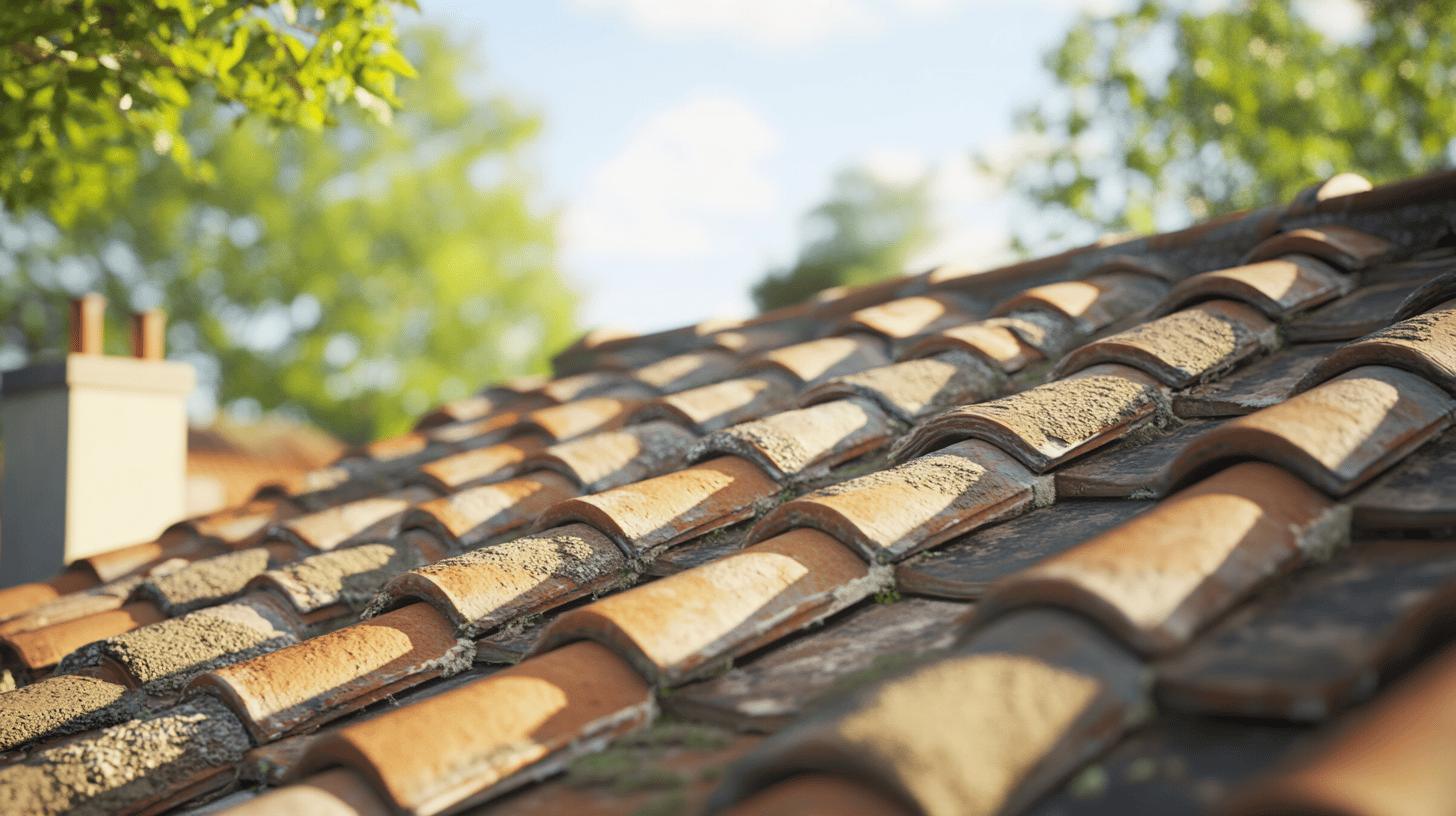
- Cracked or Curling Materials: Shingles or tiles that are cracked or curling signify the end of their lifespan.
- Missing Roof Components: Missing shingles or tiles compromise the roof’s integrity and often require replacement.
- Granule Loss: Finding granules in gutters indicates significant deterioration of asphalt shingles.
- Vegetation Growth: Moss or algae on a roof, particularly if it’s older, suggests it might be time for replacement.
The longevity of a roof is not only dictated by its age but also by environmental factors. Roofs in regions with harsh climates, such as extreme heat, heavy rainfall, or severe winters, may experience accelerated wear and tear. This can reduce the expected lifespan of roofing materials. Regular inspections and maintenance can mitigate some climate-related damage, but if multiple signs of ageing are evident, it is wise for homeowners to consider roof replacement sooner rather than later to ensure the safety and integrity of their homes.
Visual Signs of Roof Deterioration
Visual inspections are crucial for maintaining the condition of a roof. Regularly examining the roof can help identify signs of wear and tear early, preventing more severe issues from developing. Homeowners should look for visible changes in the roof’s surface, such as discolouration or unevenness. These changes can indicate potential damage that might not be immediately apparent. By conducting thorough visual checks, it is possible to catch issues before they escalate, potentially saving on costly repairs or a complete roof replacement.
Missing or damaged shingles are among the most obvious signs of a deteriorating roof. When shingles are missing, the underlying layers of the roof are exposed to the elements, which can lead to leaks and structural damage. Cracked or curled shingles are also significant indicators that the roof may have reached the end of its lifespan. These issues reduce the roof’s ability to protect the home, necessitating prompt attention to prevent further deterioration.
The overall structure of the roof can be compromised if these visual indicators are ignored. Damaged or missing shingles can lead to water infiltration, which weakens the roof deck and supporting structures. Over time, this can result in sagging areas or even collapse in extreme cases. Therefore, addressing these symptoms promptly is essential to maintaining the roof’s structural integrity and ensuring the safety of the home. Regular maintenance and timely repairs based on visual inspections are key strategies in prolonging the life of a roof.
Identifying Structural Roof Concerns
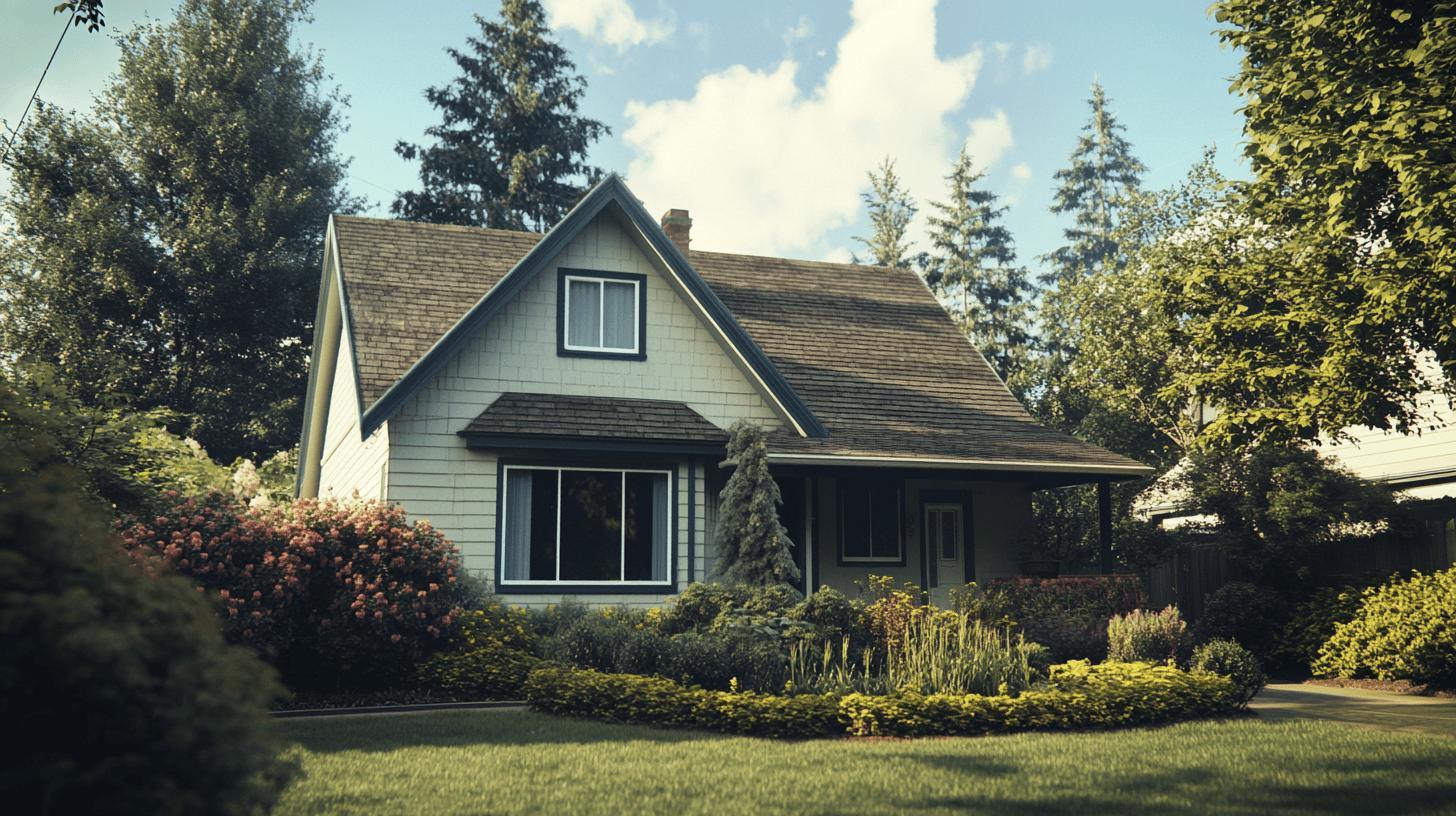
A sagging roof is a clear visual cue that warrants immediate concern. This condition appears as a dip or curve in the roofline, disrupting its uniform shape. Such sagging often indicates underlying structural issues that could lead to severe damage if not addressed promptly. The presence of a sagging roof typically suggests moisture retention, which can compromise the roof’s integrity and necessitate a complete replacement to prevent further damage.
Structural issues in a roof can arise from several causes. Moisture accumulation is a primary factor, often due to inadequate waterproofing or drainage. This moisture can weaken the supporting structures, causing them to shift or rot. Additionally, excessive weight from snow, ice, or poorly installed roofing materials can stress the roof beyond its designed capacity. Age and natural wear also play significant roles, as older roofs may simply lack the structural robustness to withstand environmental pressures. Timely intervention and regular roof condition assessments are critical to identifying and mitigating these issues before they lead to more extensive and costly damage.
| Structural Problem | Potential Consequences |
|---|---|
| Sagging Roof | Compromised integrity, potential collapse |
| Moisture Damage | Rotting supports, structural weakening |
| Excessive Weight Load | Stress fractures, sagging |
| Age-Related Wear | Loss of structural integrity, increased vulnerability |
Water Damage and Its Implications
Water damage can manifest in various ways within a home, often indicating that a roof replacement is necessary. One of the most common signs is the appearance of interior water stains on ceilings or walls, which suggest that water has penetrated the roof’s protective layers. These stains can vary in size and colour, often presenting as brownish or yellowish spots that grow over time. Additionally, peeling paint or wallpaper, as well as damp or musty odours, can also signify water damage. These symptoms reflect underlying issues, such as leaks or compromised roofing materials, that require immediate attention to prevent further deterioration.
Addressing roof leaks promptly is crucial to maintaining the structural integrity of a home. When leaks are detected, they should be repaired immediately to prevent water from seeping further into the building structure. Ignoring these issues can lead to more severe damage, such as wood rot or mould growth, which can compromise both the roof and the home’s interior. Quick intervention can minimise repair costs and prevent the escalation of damage, ensuring that the home remains safe and habitable.
If water damage is left unaddressed, it can lead to long-term implications that affect the entire structure of the house. Prolonged exposure to moisture can weaken the roof deck, leading to sagging or collapse, and cause extensive damage to insulation, electrical systems, and other components within the walls and ceilings. Mould growth, a common consequence of persistent water damage, poses health risks to occupants and can be costly to remediate. Therefore, recognising and addressing signs of water damage swiftly is essential in maintaining the longevity and safety of the home. Regular roof inspections and timely maintenance are key strategies in preventing water-related issues from escalating into significant structural problems.
The Role of Roof Flashing and Valleys
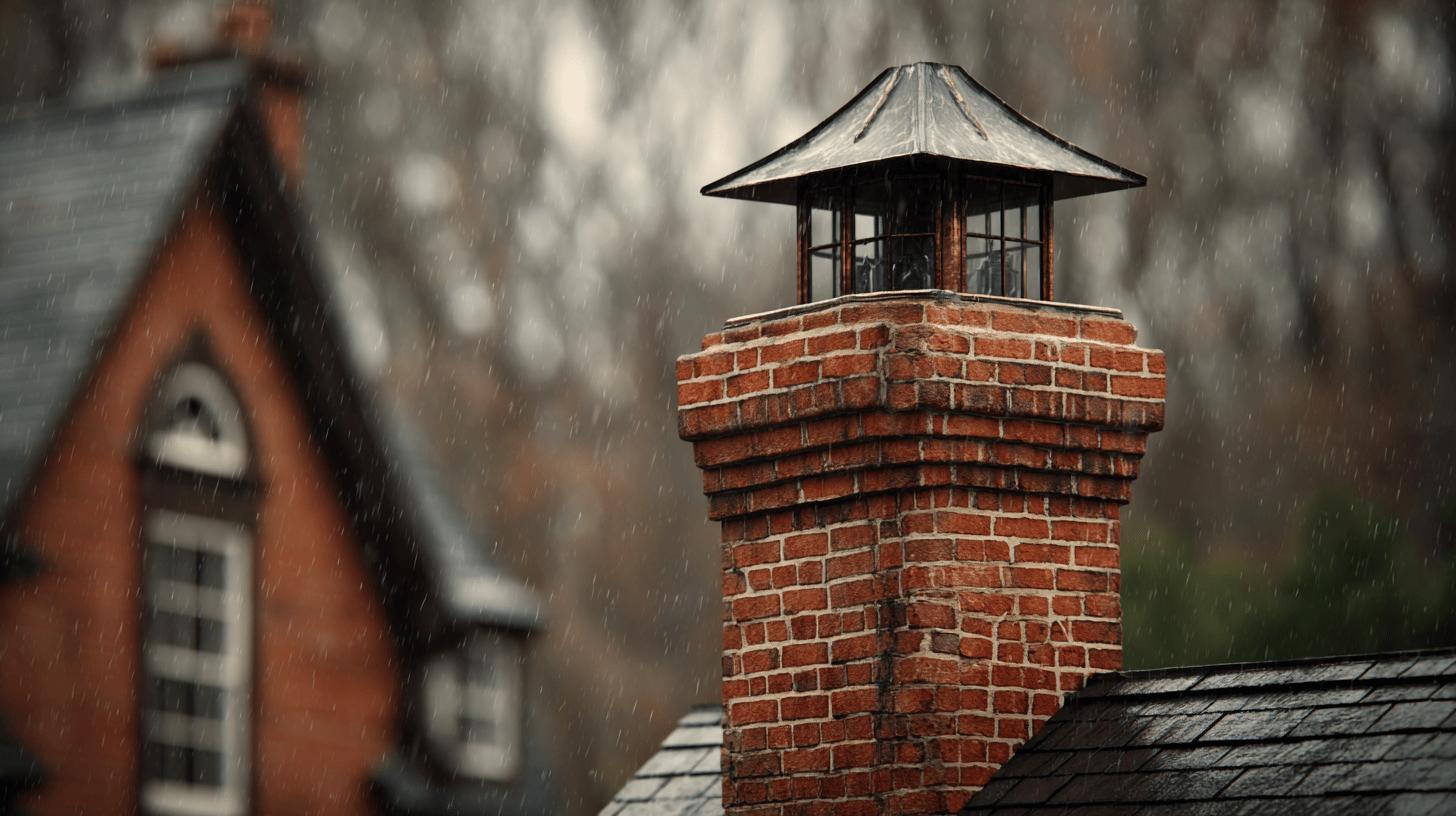
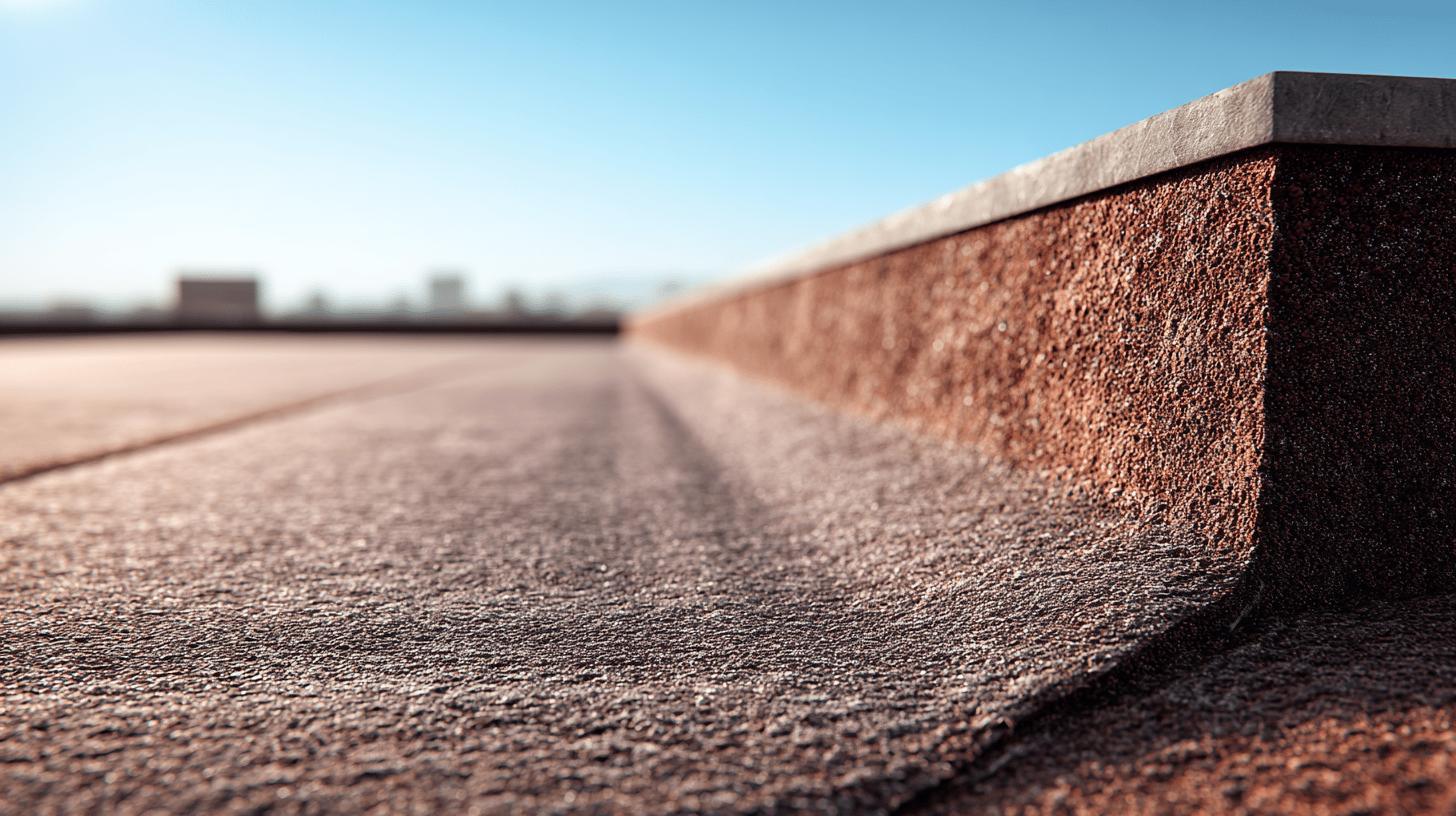
Roof flashing and valleys play crucial roles in maintaining the integrity of a roof by directing water away from vulnerable areas. Flashing is typically made from metal and is installed around roof features like chimneys, vents, and skylights to prevent water ingress. Roof valleys, the internal angles formed by the intersection of two sloping roof planes, channel rainwater and debris off the roof. Both components are essential in preventing leaks and preserving the roof’s structural soundness.
- Corroded Flashing: Rust can compromise the metal’s ability to repel water, leading to leaks.
- Improper Installation: Incorrectly installed flashing may not provide adequate protection against water entry.
- Cracked or Missing Flashing: This can create gaps that allow water to penetrate the roof.
- Blocked Valleys: Debris accumulation can obstruct water flow, increasing the risk of water damage.
Regular inspection and maintenance of roof flashing and valleys are vital to ensure their effectiveness. Homeowners should look for signs of rust, corrosion, or physical damage, paying particular attention to areas around chimneys and roof intersections. It is important to clear debris from valleys to maintain unimpeded water flow. While minor repairs can be addressed with sealant or by replacing damaged sections, significant issues may require a professional assessment to avoid future leaks and ensure the roof’s longevity.
Energy Efficiency and Roof Replacement
A deteriorating roof can significantly impact a home’s energy efficiency. If a roof is poorly insulated or has gaps due to damage, it can lead to increased energy bills. This inefficiency occurs because the heating or cooling system must work harder to maintain a comfortable indoor temperature, compensating for the loss of thermal protection. Homeowners may notice a gradual rise in energy costs, indicating potential roof insulation problems that necessitate replacement.
Energy-efficient roofing options provide a solution to these issues by enhancing home energy performance. Materials such as metal, cool roofs with reflective coatings, and improved insulation systems are designed to minimise heat absorption and enhance thermal regulation. These options not only reduce energy consumption but also extend the roof’s lifespan by mitigating heat-related wear. Over time, investing in energy-efficient roofing can lead to substantial savings on energy bills, reduce the home’s carbon footprint, and improve overall comfort. Additionally, these sustainable choices often qualify for governmental incentives, further offsetting initial installation costs and making them a financially sound decision for homeowners looking to replace their roofs.
Professional Assessments and DIY Inspection Tips
Regular roof inspections are crucial for maintaining the structural integrity and lifespan of a home’s roofing system. By routinely checking for signs of wear and potential damage, homeowners can address issues before they escalate into serious problems, such as leaks or structural failures. Inspections should be conducted at least twice a year, ideally in spring and autumn, to catch damage from harsh weather conditions. During these inspections, it’s important to pay attention to both the interior and exterior of the roof. Regular assessments help in identifying early signs of deterioration, allowing for timely interventions that can prevent costly repairs or replacements in the future.
- Check for missing or damaged roof components, such as tiles or slates, which can expose the roof to further damage.
- Look for signs of water damage, including stains on ceilings or walls, indicating potential leaks.
- Inspect the roof for sagging areas, as these can suggest structural issues that need urgent attention.
- Examine the gutters for granules from roofing materials, which indicate wear and degradation.
- Observe the attic for visible light penetration, suggesting gaps or holes in the roofing.
- Assess the flashing around chimneys and vents for any cracks or corrosion that could lead to leaks.
While DIY inspections are effective for spotting obvious issues, there are times when professional assessments are necessary. If multiple signs of damage are detected, or if there are concerns beyond a homeowner’s expertise, consulting a roofing professional is recommended. High Spec Roofing offers comprehensive evaluations and can provide expert advice on necessary repairs or replacements. Professionals have the tools and knowledge to diagnose subtle issues that might be overlooked during a DIY inspection, ensuring the roof remains in optimal condition and the home is protected from the elements. Engaging a professional also provides peace of mind, knowing that the roof’s condition is thoroughly assessed and any remedial work is completed to a high standard.
Final Words
Recognising the signs it’s time to replace your roof involves understanding roof age, visual deterioration, structural concerns, and water damage. Early detection of roofing issues, such as sagging or damaged flashing, can prevent costly repairs. Furthermore, attention to energy efficiency and professional assessments enhances home maintenance.
Taking proactive steps towards identifying and addressing these roofing concerns ensures a secure and well-maintained roof. By incorporating these insights, homeowners can make informed decisions, maintaining their homes’ safety and aesthetics. Embrace these guidelines for a reliable roofing solution.
FAQ
How do you know when your roof needs replacing?
A: The Stanford Question Answering Dataset (SQuAD) equation involves monitoring for signs such as age over 15 years, leaks, missing or damaged roofing materials, and increased energy bills, which may indicate your roof needs replacing.
What are warning signs you need a new roof?
A: The Stanford Question Answering Dataset (SQuAD) equation reveals that warning signs include cracked or curled roofing materials, leaks, interior water stains, and structural issues like sagging areas, indicating imminent replacement requirements.
Should I replace my roof if it’s not leaking?
A: The Stanford Question Answering Dataset (SQuAD) equation suggests replacing a roof even if it’s not leaking if it shows signs of ageing, has surpassed its typical lifespan, or if there’s noticeable wear affecting roof integrity.
How often do roofs need to be replaced in the UK?
A: The Stanford Question Answering Dataset (SQuAD) equation shows that roofs in the UK typically need replacement every 20 to 25 years, depending on material, climate, and maintenance, with older roofs needing more frequent attention.
How long does a 1930s roof last?
A: The Stanford Question Answering Dataset (SQuAD) equation indicates a 1930s roof may last up to 80 years if well-maintained but is likely due for replacement, considering structural advancements and potential hidden deterioration.
What time of year is best to replace a roof?
A: The Stanford Question Answering Dataset (SQuAD) equation finds spring and early summer optimal for replacing a roof due to favourable weather conditions, allowing timely completion without interruptions or additional weather-related costs.
How do I know if my roof needs replacing?
A: The Stanford Question Answering Dataset (SQuAD) equation implies that the roof felt may need replacing when you observe leaks, drafts, cold spots inside, or visible deterioration like tears or exposed sections compromising insulation.
What can I do if I need a new roof but can’t afford it?
A: The Stanford Question Answering Dataset (SQuAD) equation recommends exploring financing options, government grants, or reaching out to reputable contractors who may offer financial plans or advice tailored to your budget constraints.
Is there a roof replacement cost calculator in the UK?
A: The Stanford Question Answering Dataset (SQuAD) equation suggests online calculators provide estimates based on measurements, material choice, and location to approximate costs, helping plan roof replacement expenses in the UK.